
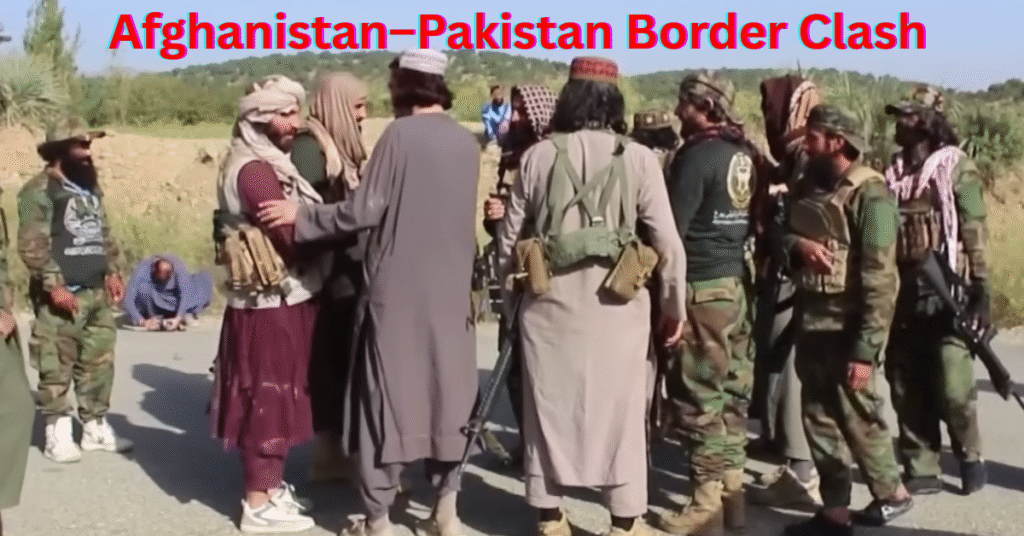
What started as a minor border disagreement has quickly turned into one of the most intense clashes in Afghanistan-Pakistan border in recent years. Over the past few days, both sides have fired shots near key border crossings, while officials continue to blame each other for harboring militants and violating border rules.
Beyond the immediate firefights, the crisis touches deeper concerns — cross-border militancy, refugee flows, and vital economic lifelines through key trade routes. Here’s a clear, fact-driven breakdown of how the situation unfolded, who’s involved, and what lies ahead.
How the Afghanistan–Pakistan Border Escalation Began
Immediate Trigger
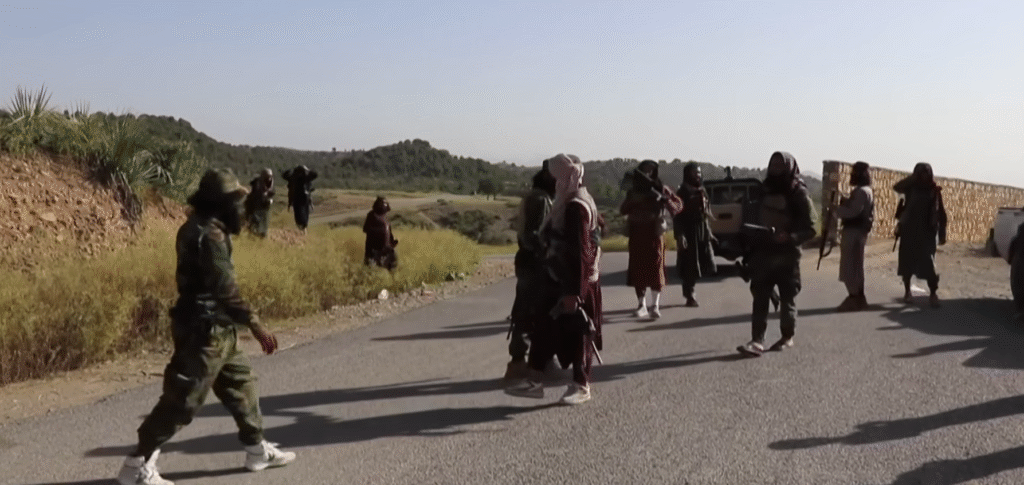
The current Afghanistan–Pakistan border clashes were triggered by a series of tense incidents around the Torkham and Chaman–Spin Boldak crossings. These are heavily used trade and travel corridors where both sides have long argued over fencing, security checks, and alleged militant movements.
Skirmishes that typically ended with warnings soon escalated into direct fire and artillery exchanges as both capitals accused each other of violating border protocols.
Deeper Roots
Decades of mistrust have created a fragile environment.
- Islamabad accuses Kabul of allowing anti-Pakistan militants to operate from Afghan soil.
- Kabul counters that groups attacking Afghan territory enjoy protection inside Pakistan.
Disputes over border demarcation and new control measures at crossings have added further tension, making every small incident potentially explosive.
Timing and Context
The recent border clashes come at a time when Kabul is trying to strengthen ties with new regional partners, including India. At the same time, tensions between Afghan and Pakistani officials have become more visible in public. This growing political strain has left little space for calm negotiations or behind-the-scenes diplomacy.
Also Read: – Taliban Foreign Minister’s India Visit: What Amir Khan Muttaqi’s Trip Means for Both Countries – lostnews
Key Players in the Ongoing Clashes
Afghanistan (Taliban Authorities)
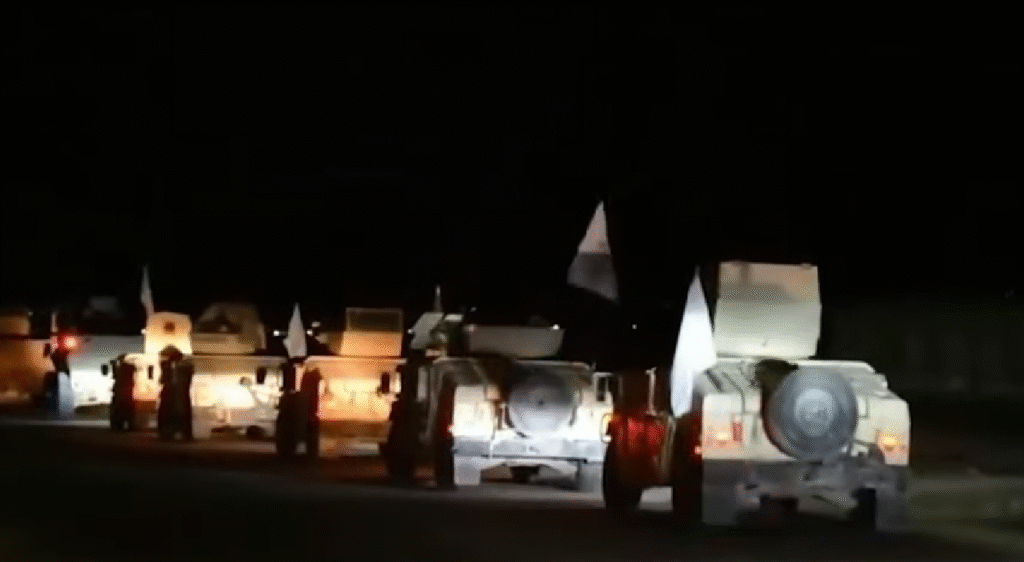
Frontier posts are managed by border and interior security units, under operational signals from the Defense Ministry. The Foreign Ministry handles messaging to the international community. Provincial officials in Nangarhar (Torkham) and Kandahar (Spin Boldak) are directly engaged in enforcing rules of engagement.
Pakistan
The Frontier Corps and Pakistan Army operate along the Khyber Pakhtunkhwa and Balochistan belts. The Foreign Office and Interior Ministry drive public communication, while local civil administrations in Torkham and Chaman oversee closures, evacuations, and traffic controls.
Militant Networks
Both sides blame cross-border militant groups for fueling or exploiting the clashes. Pakistan alleges that anti-state factions attack from Afghan sanctuaries, while Kabul claims it faces infiltrations from Pakistan. These allegations remain hard to verify due to restricted access and propaganda battles.
Civilians and Traders
Thousands of daily commuters, truckers, and patients rely on these crossings for livelihood and medical treatment. Each closure halts trade, strands travellers, and disrupts humanitarian supplies — making civilians the first to suffer.
Timeline: How the Afghanistan–Pakistan Border Clashes Escalated
Localised Incidents
It all began with small disputes at border checkpoints, brief exchanges of gunfire, and short-term closures of crossing gates. These incidents are not unusual and often settle within a few hours through local commanders’ intervention.
Sustained Exchanges
The tension didn’t fade; it climbed. Mortar and artillery fire were reported around key crossings—Torkham and Chaman—prompting both militaries to bring in reinforcements and harden their positions. Officials then went public with warnings, cautioning against fresh violations and hinting at a tougher response if the firing continued.
Regional Spread
As the standoff dragged on, the fighting didn’t stay confined to one spot. Skirmishes flared at additional outposts along the frontier, and both capitals accused the other of sending drones across the line and breaching airspace—raising the stakes in an already fragile situation.
Diplomatic Fallout
What began as local skirmishes quickly spilled into diplomacy. Both capitals summoned envoys, and briefings turned sharper by the day, with each side accusing the other of backing militants. On the ground, partial closures choked trade routes and delayed medical travel, leaving civilians stranded between checkpoints.
Standoff or Talks
In past incidents, such flare-ups have ended either with uneasy standoffs or discreet peace talks held through military hotlines, tribal elders, or third-party mediators. Whether this latest round of conflict cools down or intensifies will become clear in the coming days.
Casualties and Damage: What Is Known So Far
- Fatalities: Early reports indicate that several people, including both soldiers and civilians, have lost their lives in the recent Afghanistan–Pakistan border clashes. However, exact numbers remain uncertain as authorities work to verify hospital records and field reports.
- Injuries: Dozens have been injured by shelling and small-arms fire. Hospitals near Torkham and Chaman have treated many for shrapnel and blast wounds.
- Infrastructure Impact: Cargo trucks carrying perishables remain stranded, small shops have been damaged, and temporary power and telecom disruptions have been reported.
Why the Afghanistan–Pakistan Border Remains So Volatile
Disputed Boundary Perceptions
Pakistan’s fencing projects and new controls have been contentious for Kabul, which disputes aspects of the border’s legal status — a colonial-era legacy that still fuels mistrust.
Militant Safe-Haven Allegations
Islamabad blames Afghan soil for hosting anti-Pakistan militants, while Kabul insists it is being attacked by groups infiltrating from Pakistan. Verifying these claims is nearly impossible, but even isolated attacks trigger heavy responses.
Economic Chokepoints
The Torkham and Chaman–Spin Boldak crossings are vital trade arteries. Each closure hurts local economies, raises prices, and deepens humanitarian distress on both sides — creating pressure for rapid, often fragile truces.
Regional Stakes and the “Pakistan Factor”
Kabul’s Leverage Game
By expanding ties with other partners such as India, the Taliban aims to diversify alliances and reduce dependence on Pakistan — gaining bargaining power in future negotiations.
Islamabad’s Red Lines
Pakistan continues to demand verifiable action against militant groups operating from Afghan soil. It uses border controls and crossing restrictions as leverage to press its security concerns.
Risk of Spillover
Prolonged closures increase smuggling, black markets, and taxation by local militias, worsening the very instability the border fencing aimed to stop.
Also Read: – PoK protests turn deadly: 12 civilians killed, many injured in clashes with Pakistani forces – lostnews
International Response and the UN Element
The UN travel waiver system allows limited Taliban diplomatic outreach, which compresses negotiations into short windows.
Regional players like Russia, China, and Iran, through forums such as the Moscow Format, may act as mediators to cool tensions by establishing monitored trade corridors and joint verification mechanisms.
Media Fog and Verification Challenges
Battle accounts differ sharply due to poor cell coverage, dangerous terrain, and conflicting official statements.
For accurate updates, rely on:
- Verified hospital tallies near Torkham and Chaman,
- Official press releases from both Kabul and Islamabad,
- Neutral humanitarian organisation reports.
Expect revisions as new data emerges.
What to Watch in the Coming Days
- Border Status: Whether Torkham and Chaman reopen for trade and medical travel.
- Military Signals: Any pullback announcements or no-strike agreements near civilian zones.
- Militant Control: Progress on joint verification or hotline reactivation.
- Diplomatic Moves: Renewed backchannel contacts or the arrival of a neutral facilitator.
- Casualty Lists: Verified names from hospitals and administrations — vital for aid and accountability.
FAQs
1. What triggered the latest Afghanistan–Pakistan border clashes?
A mix of checkpoint disputes, cross-border militant accusations, and hardened military postures near key crossings like Torkham and Chaman.
2. How many people have died?
Early reports indicate multiple deaths on both sides, including civilians. Numbers are still being verified by local authorities.
3. Are the borders open?
Closures continue intermittently. Even short shutdowns severely affect cargo, patients, and daily commuters.
4. What could de-escalate the crisis?
Reactivation of hotlines, third-party mediation, medical corridors, and verifiable steps to restrain militant activity.



1 thought on “the Afghanistan–Pakistan Border Clash: 5 Critical Developments You Must Know About the Clash”