The Hidden Environmental Hazards of Disposing Lithium-Ion Batteries
Lithium-ion batteries power much of our modern life. They keep our phones running, laptops working, and electric vehicles (EVs) moving. But once these batteries have served their purpose, what happens to them matters a lot—for us and the environment.
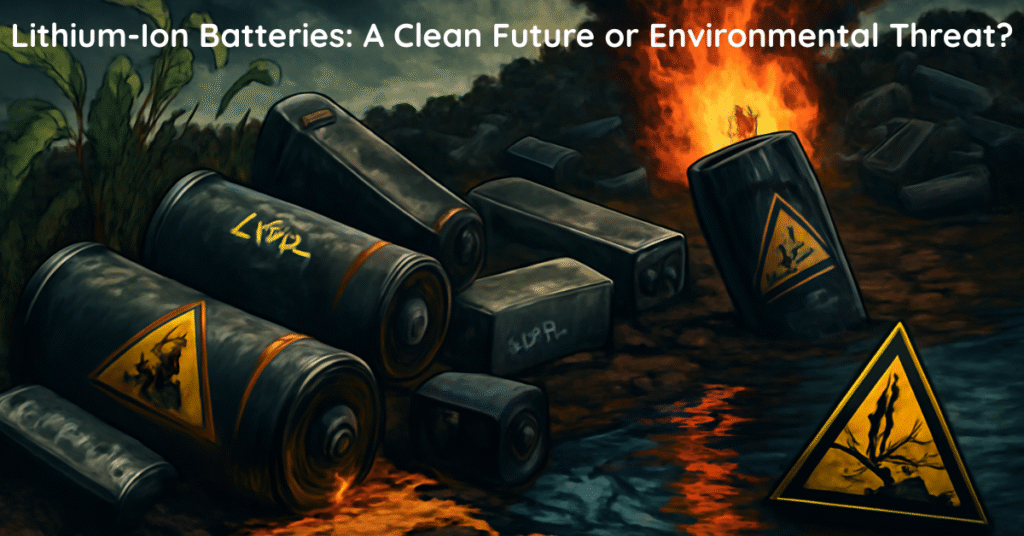
India’s EV Dream Hinges on These 7 Rare Earth Metals—Here’s Why: “Lithium-Ion Batteries: A Clean Future or Environmental Threat?”Toxic Metals Can Pollute the Earth
When old lithium-ion batteries are thrown away in trash or landfills, the metals inside—such as lithium, cobalt, and nickel—don’t just disappear. Over time, these metals can slowly leak out and mix into the soil and water. This pollution can harm plants, animals, and even people if it gets into the drinking water nearby. Unlike things like food or paper, these metals don’t break down naturally, so they build up and cause long-lasting damage to the environment.
Fire Hazards from Damaged Batteries
Another hidden danger comes from damaged or improperly disposed of batteries, as the Lithium-ion batteries can catch fire if they get crushed, punctured, or overheated. These fires burn hotter and longer than regular fires and are very difficult to control. They pose risks to waste workers and can cause severe damage to waste facilities. The toxic smoke released during these fires also harms air quality.
Electronic Waste Is Growing Fast
Electronic devices with lithium-ion batteries are everywhere, and as we replace our gadgets often, electronic waste keeps growing. These used batteries pile up in landfills worldwide, taking up space and releasing harmful substances over time. The growing amount of battery waste is an environmental challenge that cannot be ignored.
Recycling Batteries Is Good, But Still Limited
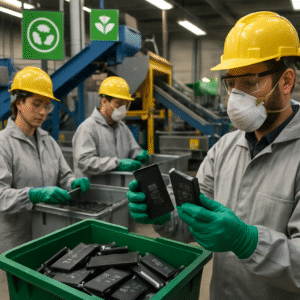
Recycling lithium-ion batteries is one of the best ways to protect the environment. It helps recover valuable metals like lithium, cobalt, and nickel, which means less need to mine new materials from the earth. Mining can harm nature, so recycling reduces the impact of mining. However, not many places have good recycling centers yet. Because of this, most used batteries are still thrown away in landfills instead of being recycled. This means we miss the chance to reuse valuable metals, and the harm to the environment keeps growing.
Making Batteries Also Harms Nature
It’s important to remember that the environmental impact of lithium-ion batteries starts even before they get to our phones or cars. Mining the metals required for these batteries can damage natural habitats and wildlife, especially in places where mining is not well-regulated. The battery manufacturing process also consumes a lot of energy, often generated by fossil fuels, which adds to pollution and climate change.
What Can We Do About It?
The problem of battery waste is growing as technology use increases, but there are solutions. To solve this, we need more recycling centers that can safely handle old batteries and turn them into valuable materials. It’s also important to give training to the people about the right way to dispose of batteries through awareness programs.
Companies and governments can help by making rules that require manufacturers to take responsibility for batteries throughout their entire life, from making them to recycling or disposing of them. Choosing products that are easy to recycle, and sustainable battery technologies can also make a big difference.
Conclusion
Lithium-ion batteries have become essential to daily life and the move toward clean energy. But if we ignore the risks and continue to dispose of batteries carelessly, the environmental consequences will grow worse. By knowing about these risks and learn how dangerous lithium batteries are, we all should take smart actions, like recycling of batteries, choosing cleaner ways to make them, and asking for better rules, we can help protect the planet while still enjoying the benefits of today’s technology.