
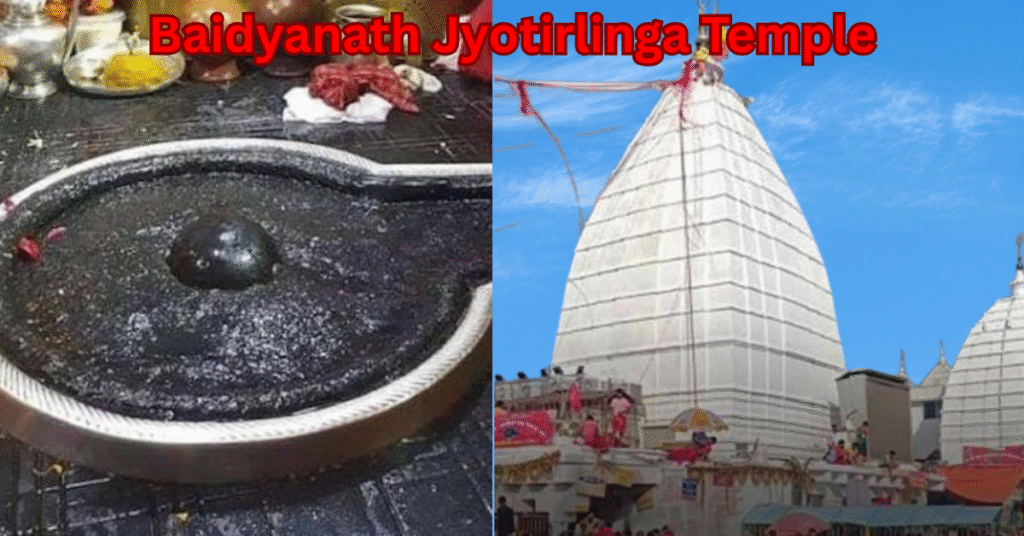
Baidyanath Jyotirlinga, also known as Baba Baidyanath Dham, is one of the twelve sacred Jyotirlingas of Lord Shiva, situated in Deoghar, Jharkhand. The temple is renowned for its powerful legends, ancient heritage, and the famous Shravani Mela, which draws lakhs of pilgrims every year.
Where Baidyanath Jyotirlinga is and why it matters
Baidyanath Dham is in Deoghar, a town whose name means “home of the gods.” The main temple is dedicated to Lord Shiva, and there are many small shrines around it. This place is a major center of Shiva worship in eastern India. Many traditions also see it as a Shakti Peeth, where Sati’s heart is believed to have fallen. So people come here to worship both Shiva and Shakti together.
The core legend: Ravana and the Jyotirlinga
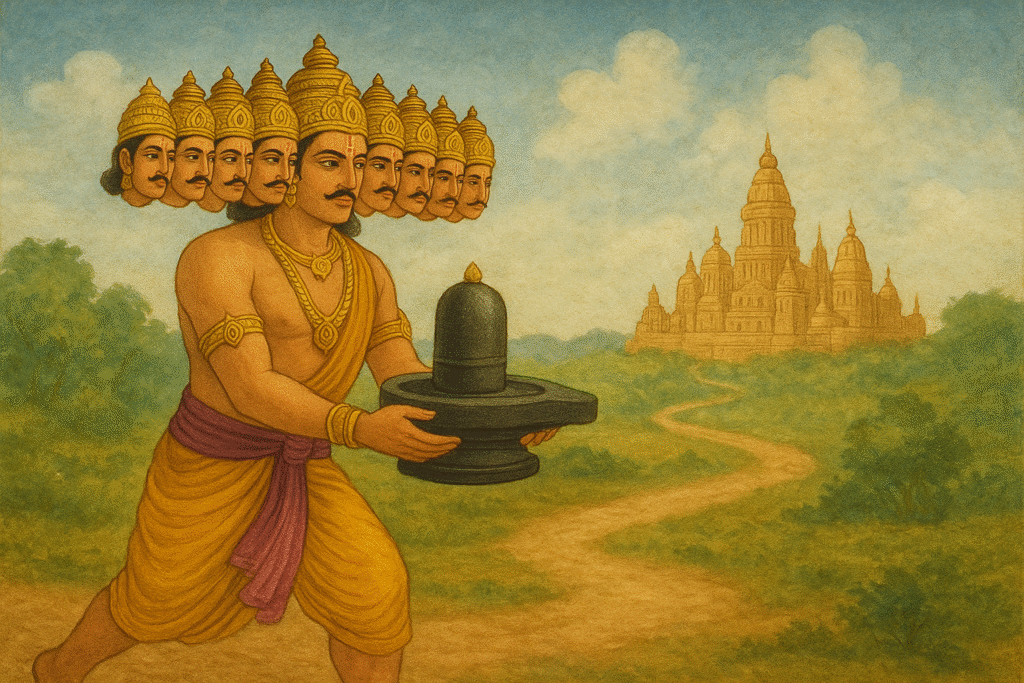
The most popular story links the temple with the demon king Ravana. Deeply devoted to Shiva, Ravana performed severe penance and offered his ten heads one by one to the deity. Pleased, Shiva healed or “treated” him, earning the name “Vaidya” (physician) and thus the title Baidyanath for this sacred place.
Another popular story says that Lord Shiva gave Ravana a powerful shivling, with one condition: he must not put it down anywhere on the way to Lanka. The gods worried that this would make Ravana too strong. So, they created a delay near Deoghar. Disguised as a local, Vishnu took the shivling from Ravana “just for a moment” and placed it on the ground. When Ravana returned, he tried hard to lift it and even pressed his thumb into it, but it would not move. From then on, the shivling stayed in Deoghar as the Baidyanath Jyotirlinga.
History through the ages
References suggest that the shrine was famous by the early medieval period, with mentions dating back to the 8th century during the Gupta-era lineages. Over many years, kings, patrons, and local people repaired and rebuilt parts of the Baidyanath temple. Nearby tanks like Mansarovar are linked to donors from the Mughal period, which shows the shrine stayed important even as times and rulers changed. Government records note the complex now includes the main shrine and over twenty sub-shrines, reflecting centuries of growth in ritual and architecture.
Read Also:- Nageshwar Jyotirlinga: Shiva’s Serpent Shrine Near Dwarka – lostnews
Temple layout and what to see
- Main sanctum: The Shiva lingam is worshipped as Baidyanath, with devotees offering water, milk, bilva leaves, and flowers through the day. Many believe the lingam bears a dent from Ravana’s thumb, a sign of the ancient legend.
- Complex of shrines: The temple campus features around 21–22 smaller shrines dedicated to deities such as Parvati and various forms of Shiva, forming a complete circuit for pilgrims.
- Ritual water bodies: Pilgrims often visit ponds like Mansarovar and perform simple rituals before darshan, a practice rooted in old temple traditions.
Daily rituals, timings, and festivals
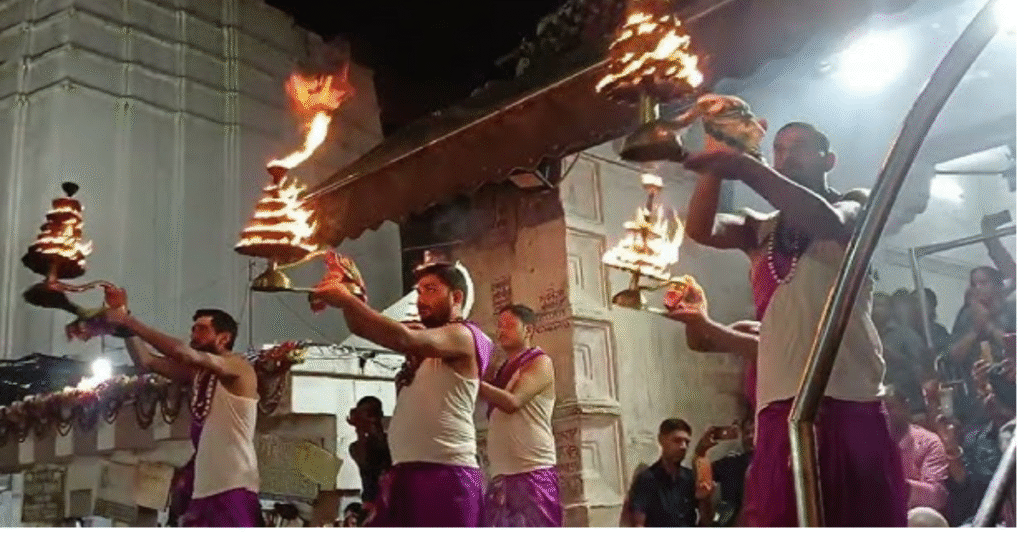
The temple opens early, with darshan typically starting around 5:00 am, a break in the afternoon, and evening aarti before closing by around 8:00 pm. The schedule includes Shringar Puja and evening aarti, which many visitors find uplifting. Checking current timings before visiting is helpful, especially during peak seasons.
The largest event is the Shravani Mela in the month of Shravan. Kanwariyas walk approximately 100 km from Sultanganj, carrying Ganga water to offer an abhishek to Baba Baidyanath, chanting “Bol Bam!” all along the route. Mahashivratri and other festivals, such as Durga Puja and Kartik celebrations, also draw large crowds to the temple and town.
Beliefs and spiritual significance
Baidyanath means “Lord of Physicians,” and many devotees pray here for the healing of body and mind. As a Jyotirlinga, it is seen as a place where Shiva’s light and presence are especially strong. Being associated with a Shakti Peetha, the dham brings together the worship of Shiva and Shakti, offering pilgrims a sense of balance, protection, and grace in their lives.
Also Read:- Trimbakeshwar Jyotirlinga: Sacred Temple of Shiva and the Birthplace of the Godavari – lostnews
How to reach and plan the visit
- By air: Deoghar has an airport with growing connectivity; Patna and Ranchi are alternative gateways, with road travel being an additional option.
- By rail: Jasidih Junction is the main railhead for Deoghar, with local connections to the temple area. Additionally, Deoghar and Baidyanath stations serve the region.
- By road: Deoghar is well-linked to Jharkhand and neighboring states; during Shravani Mela, special arrangements and traffic plans are common.
Tips:
- Early morning darshan is calmer; evenings are devoted to devotional activities, including aarti and Shringar Puja.
- During Shravan, expect long queues; carry water and be prepared for walking and security checks.
- Respect temple decorum: modest clothing, no photography in inner areas where restricted, and follow the priest’s guidance for offerings.
Architecture and present-day management
The Baidyanath temple complex shows different local styles. There is one main Shiva shrine and many small shrines inside a busy, lively campus. City and district teams take care of roads, cleanliness, and basic facilities around the dham. The temple committee handles daily puja, queues, and festival crowds so darshan stays organized. Over the centuries—under local rulers, Mughal-era patrons, and today’s administrators—support has continued, keeping worship active right up to the present.
Why Baidyanath still matters
For many, a visit to Baidyanath is about trust and healing. The legend of Ravana reminds pilgrims that even great power bows to divine will, and that faith can turn setbacks into sacred turning points. From the first light on the temple spire to the chants of “Bol Bam!” during Shravan, Baidyanath offers a living experience of devotion—simple, strong, and timeless.
In simple words, Baidyanath Jyotirlinga is a place where people come with hopes and leave with lighter hearts. The stories, the aarti, and the steady flow of pilgrims demonstrate that this dham is not just about the past—it is a home of blessings for the present and the future as well.






1 thought on “Baidyanath Jyotirlinga, Deoghar: Ravana’s Devotion and India’s Living Pilgrimage”