
For nearly two decades from the mid‑1970s, the West Indies didn’t just win; they defined how cricket could be played. Back‑to‑back World Cups in 1975 and 1979, a third final in 1983, and Test series that turned into processions made them the standard everyone else chased. Their brand was unmistakable: four fast bowlers rotating in relentless waves, backed by swaggering batters who seized big moments on any pitch, in any country. That run made them the unofficial champions of the sport through the 1980s, and the memory of that dominance still shapes how their story is told today.
The ‘grovel’ spark and cultural fire.
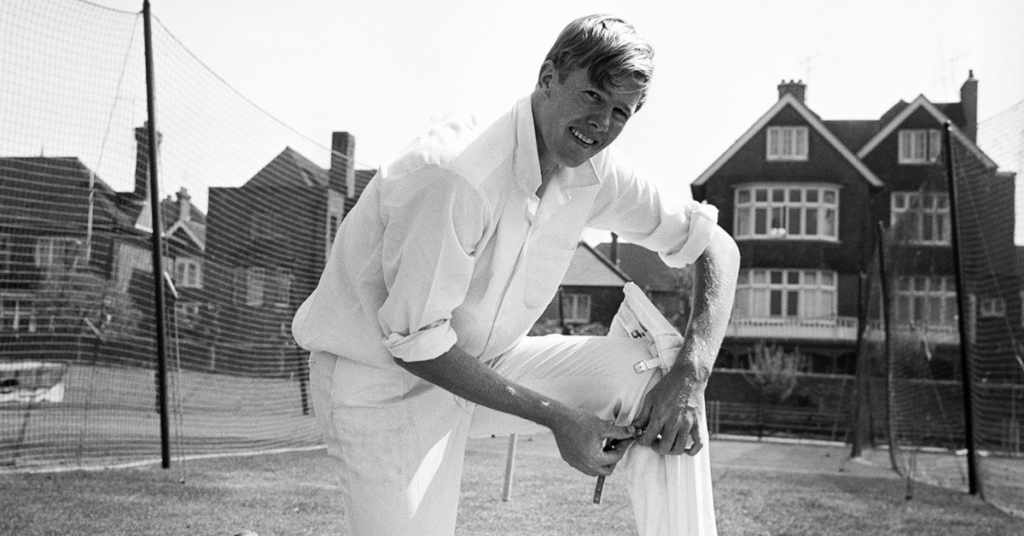
Before the 1976 England tour, Tony Greig tossed out a line about making the West Indians “grovel.” It hit a nerve. It sounded like more than banter, and the West Indies took it that way—Clive Lloyd’s men answered with hard, fearless cricket that turned the remark into fuel for an entire region. From there, the aura thickened: Michael Holding gliding in like “Whispering Death,” Andy Roberts and Joel Garner bruising gloves, Viv Richards batting with a kind of command that felt inevitable. The 1979 World Cup was the blueprint in miniature—pace to choke, power to finish—and they went through the tournament unbeaten.
What Made the West Indies Cricket Team Unbeatable
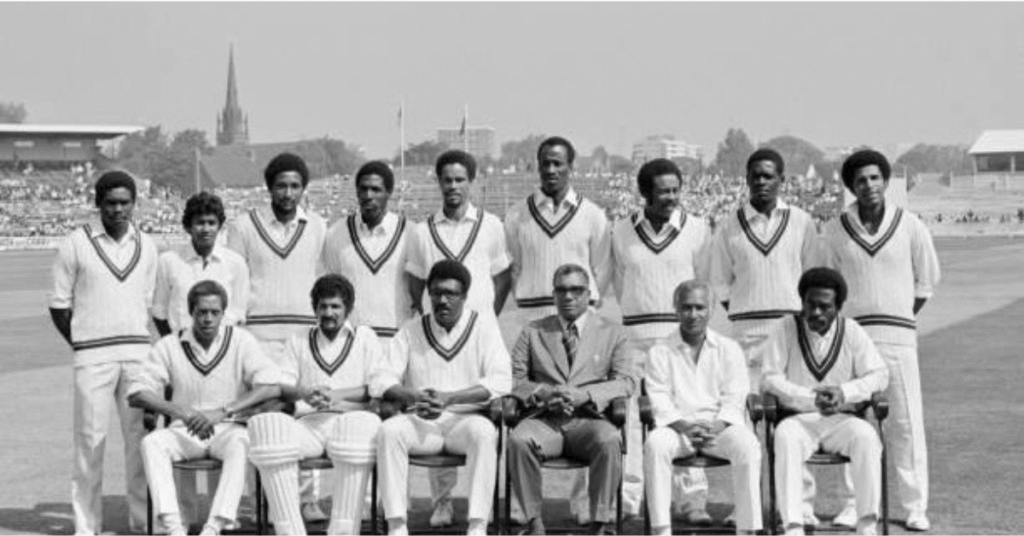
- A four‑seamer template years ahead of its time. They didn’t need a spinner because pace did every job: new‑ball bites, middle‑overs squeeze, tail clean‑up.
- A batting core that balanced intimidation with method. Richards’ authority, Greenidge and Haynes’ structure at the top, and late‑order runs meant even 220 in that era felt like 260.
- Selection clarity. Roles were defined, and the next fast bowler understood the standard: hit the deck, own the channel, control the short ball.
- Identity and unity. A composite team of islands became a single, proud sporting idea. That intangible edge—swagger, joy, defiance—traveled with them.
Also Read: – Asia Cup 2025 Final Drama: India Crush Pakistan 3 Times, Trophy Ceremony Ends in Chaos – lostnews
How the slide began
Great sides rarely fall off a cliff; they erode over time. When the 1990s arrived, retirements chipped away at once‑in‑a‑generation talent. Depth in red‑ball skills thinned. Cricket boards worldwide professionalized rapidly—encompassing sports science, academies, and data—while the West Indies’ fragmented geography, tighter budgets, and governance disputes made alignment harder. Without a like‑for‑like pipeline of quicks and Test‑ready batters, losses accumulated. There were bright interludes—the 2004 Champions Trophy, and twin men’s T20 World Cup wins in 2012 and 2016—but ODI and Test consistency never properly returned.
Why missing the 2023 ODI World Cup hurt so much
- Two‑time ODI champions failing to qualify wasn’t just a bad result; it was a symbol. Automatic qualification slipped; the Qualifier demanded clarity and composure under pressure, and the margins went the wrong way.It exposed deeper problems: a small talent pool pulled in many directions by franchise calendars, four‑day cricket that hasn’t always toughened batters against top seam and swing, and a high‑performance setup that stutters across different islands. For fans who grew up on blackwashes and world titles, it felt like the bill for those golden years had finally arrived.
Deeper forces behind the decline
- Pathway gaps: Not enough batters finishing their game against the moving ball and reverse swing; not enough quicks able to bowl 20‑25 overs a day at high pace without drop‑off.
- Economics and scheduling: Franchise leagues offered life‑changing security; national planning needed clearer windows and competitive retainers to keep multi‑format talent aligned.
- Governance and cohesion: A confederation of islands is a gift and a challenge. Without long-term, shared benchmarks—from under-19 to A-team to senior—standards tend to drift.
- Modern preparation: Opponents invested hard in analytics, scenario practice, and fielding systems; West Indies too often had to play catch‑up.
What It Will Take to Revive West Indies Cricket
- Red‑ball renaissance: Better four‑day pitches (true pace with even bounce, not underprepared seamers), incentives for frontline quicks to bowl long spells, and batting programs that harden technique for hour‑three and hour‑four when the ball is still doing a bit.
- Contract clarity: Tiered central deals that meaningfully compete with T20 windows, plus well‑communicated release policies so players can do leagues and still anchor the national calendar.
- High‑performance spine: Island academies feeding a unified A‑team that plays a lot; shared analytics, fitness standards, and specialist coaching for repeatable skills (new‑ball swing, death bowling, spin batting).
- Selection discipline: Pick roles and stick to them. Back a core in ODIs and Tests long enough to build shared instincts under stress.
- T20 as a bridge, not a rival: Use the T20 edge to sharpen power‑hitting, fielding, and execution—but reinvest that confidence into 50‑over and red‑ball resilience.
Why hope isn’t naive

The ingredients never vanished; they scattered. The region still produces fast-twitch athletes, natural ball‑strikers, and competitive cricketers who grow up loving the contest. The global game also needs a strong West Indies—cricket is better when the maroon jersey carries a threat. With patient structure, aligned incentives, and consistency of message, a climb back to relevance in ODIs and Tests isn’t a fantasy. It won’t look like 1979—no era repeats—but a side that qualifies comfortably for ICC events, takes home series at the bigger grounds, and scares people with pace and intent is absolutely within reach.
Also Read: – Sri Lanka Cricket’s Journey: From (1996) Glory Days to a (2025) Hopeful Comeback – lostnews
And Tony Greig’s line, all these years later?
It’s remembered not as a prediction, but as a fuse. It lit something bigger than a series: pride, purpose, and a cricketing idea that still makes opponents sit up straighter. If West Indies can bottle that feeling again—and wrap it in 2025’s methods, contracts, and data—they won’t need anyone to grovel. They’ll need time, clarity, and the courage to be unapologetically themselves.