{Disclaimer: This article is based on publicly reported information from law enforcement briefings and major Indian news outlets. All individuals mentioned are considered innocent until proven guilty in a court of law.}
In early November 2025, Gujarat’s Anti-Terrorist Squad (ATS) arrested a Hyderabad-based doctor, Dr Ahmed Mohiyuddin Saiyed, along with two other men, saying the three were part of an ISKP-linked module that planned to produce the deadly toxin ricin and carry out mass-casualty attacks at crowded public and religious sites. Authorities say the suspects had surveyed markets, temples, and RSS offices and were in touch with handlers abroad. Family members have protested the arrests and called the doctor’s activities suspicious, but deny guilt. Below is a consolidated, sourced account of what media and police briefings have reported so far.
Who is Ahmed Mohiyuddin Saiyed, and where is he from?
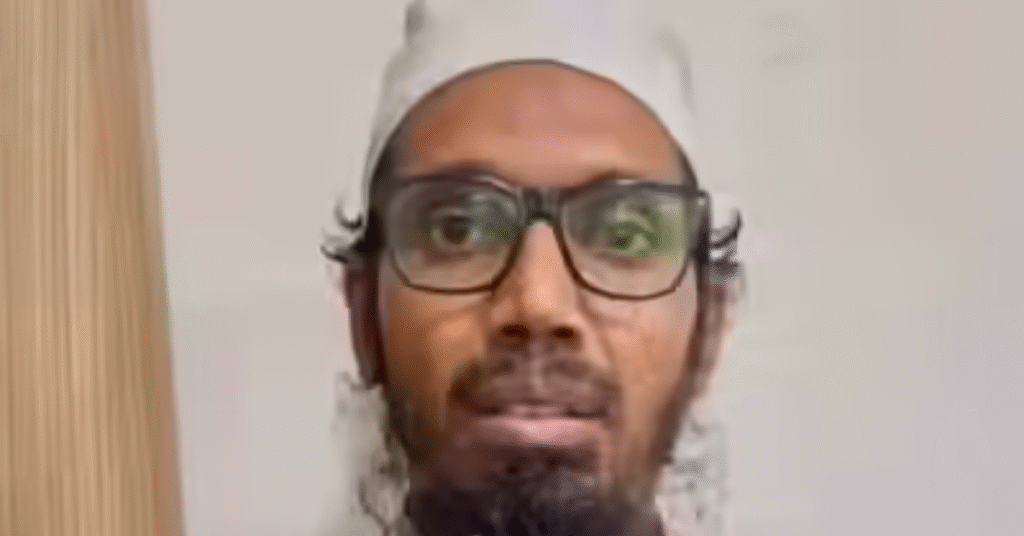
Media reports identify the main suspect as Dr Ahmed Mohiyuddin Saiyed, a 30–36-year-old (age varies slightly in reports) originally from Hyderabad. He studied medicine in China and is reported to have run small businesses after returning to India. Family members told reporters he lived a quiet life in a narrow lane in Hyderabad and that some of his recent behaviour had worried relatives.
What were the alleged plans — why ricin, and what were the intended targets?
According to ATS briefings and subsequent reporting, the accused were allegedly trying to extract ricin from castor seeds. Ricin is a highly toxic protein for which there is no antidote; even small quantities can cause mass casualties if distributed in food or air. Police say the suspects had procured castor oil and equipment (an oil press was reportedly recovered) and had surveyed crowded public markets, temples, and RSS offices in cities such as Ahmedabad, Delhi, and Lucknow — indicating an intent to target places with large gatherings. Investigators told the media the module had discussed mixing poison into “prasad” (religious offerings) at temples. They had conducted a reconnaissance of RSS offices, which would indicate potential targeting of Hindu institutions and worshippers.
Important factual note: the police case alleges targeting of Hindu-linked sites (temples and RSS offices); that is what investigators have said publicly. Family members of the accused have denied the charges and say he may have been framed — that claim is also part of the public record.
Also Read: – Chandni Chowk Blast 2025 — Full Story, Arrests, Motives, and What Investigators Know So Far – lostnews
Was he linked to ISI or ISKP (Islamic State Khorasan Province)?
Police statements and several news outlets report that the arrested module had links to the Islamic State – Khorasan Province (ISKP). Investigators said the operatives were influenced by ISKP propaganda and were receiving instructions from handlers abroad; news reports specifically name an Afghanistan-based ISKP operative (reported as “Abu Khadija” in some briefings) as a handler, and claim instructions or logistics were routed through contacts in Pakistan/Afghanistan. There is no credible public reporting that directly ties the accused to Pakistan’s Inter-Services Intelligence (ISI); media and police accounts instead describe the operatives as ISKP-linked and receiving external instructions, not as ISI agents.
How did the police get information, and how was he caught?
According to ATS briefs and subsequent coverage:
- Intelligence inputs and inter-agency sharing reportedly flagged a planned chemical/biological terror module, prompting coordination between Gujarat ATS, Uttar Pradesh ATS, and central agencies.
- Investigators tracked suspects’ phone data and movement patterns; Saiyed was intercepted near the Adalaj toll plaza (Ahmedabad area) while travelling, and officers say they recovered castor oil (reported as ~4 litres), firearms (Glock and Beretta pistols), and live cartridges, plus an oil press and other materials consistent with extracting toxin from castor seeds. The phone and device data then led to the arrest of two other suspects from Uttar Pradesh.
- ATS teams also raided Saiyed’s Hyderabad home and seized precursor materials and equipment. Authorities say CCTV footage, phone forensics, and physical evidence from raids form the core of their case.
How was he actually arrested and detained?
Reporting says Saiyed was arrested in Gujarat after ATS teams intercepted his vehicle. He was produced before the court and remanded to ATS custody; an FIR under the Unlawful Activities (Prevention) Act (UAPA), relevant sections of the Indian Penal Code, and the Arms Act was registered. He has since been moved to judicial custody and lodged in Sabarmati Central Jail (Ahmedabad), where some outlets later reported he was injured in an altercation with other inmates.
What did investigators say about motives — why target Hindus or specific groups?
Police briefings and media coverage link the module’s motive to ISKP’s extremist ideology and propaganda, which calls for attacks on civilians and institutions it views as enemies. The specific surveillance of RSS offices and temples — and talk of mixing poison into prasad — led investigators to conclude the suspects intended to target Hindu religious sites and organisations. That intention is central to the charges as presented by ATS sources. At the same time, defendants’ families and some local reports have emphasised the accused’s denials and called for a fair probe and trial.
What were his plans, according to the police?
Police allege the module had a pan-India plan: produce ricin, identify densely populated sites (markets, religious places, offices), and carry out coordinated attacks to cause mass casualties. Investigators also told the media the suspects had plans to acquire weapons (reports of pistols and claims of drone-based weapons delivery) and were awaiting further instructions from overseas handlers. The immediate “plan” alleged by police was to finalise toxin production and carry out attacks after receiving logistics/arms shipments.
How are investigators proceeding now?
Police say they are:
- Forensically analyzing the seized materials (castor oil, equipment) to assess whether ricin extraction had been successfully carried out. The Times of India
- Examining digital evidence (phones, messages, social media) to map the network and handlers and to identify financial trails and any local collaborators. India Today
- Coordinating across states (Gujarat, Uttar Pradesh, Telangana) and with central agencies to trace international links claimed by the ATS. India Today
- Filing charges under UAPA, Arms Act, and relevant IPC sections and placing suspects in custody while interrogations and evidence-gathering continue. The Times of India
What the family says / dissenting claims
Family members — including Saiyed’s brother — have told media they believe he was set up or trapped in a business deal and deny involvement in terrorism. They have demanded that, if he is guilty, he be punished, but they also say some aspects of the case (their view) point to possible framing. These denials are part of the public record and will form part of the legal process in the future. India Today
Also Read: – PoK protests turn deadly: 12 civilians killed, many injured in clashes with Pakistani forces – lostnews
What to watch next (developments likely to matter)
- Forensic results on seized materials (do they show processed ricin or only precursors?). The Times of India
- Phone/data analysis that may confirm or disprove communications with ISKP handlers. India Today
- Court filings and charge sheets under UAPA or other statutes — these will contain the formal charges and the evidence authorities plan to rely on. The Times of India
Final note
This article summarises publicly reported allegations and investigative claims. Police statements and press reports currently form the basis for the narrative that Dr Saiyed and two others planned ricin-based attacks and were linked to ISKP handlers. The accused are entitled to legal process and defence — family members and some local reporting dispute the charges and say he may have been framed. As with any active counter-terrorism investigation, facts may evolve as forensic and legal processes progress; watch official court documents and police charge sheets for the clearest, legally admissible account.