
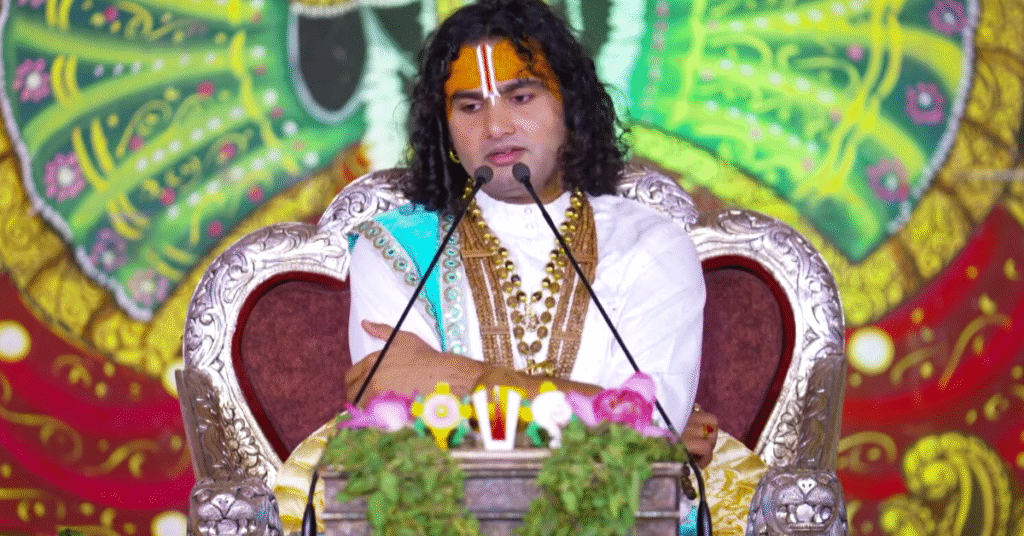
Aniruddhacharya Ji also known as (Shree Anirudhacharya ji) triggered nationwide outrage after a viral video showed him making derogatory remarks about 25-year-old unmarried women and advocating early marriages, which led to protests, FIR demands, and the burning of effigies and posters in multiple cities. Women’s groups, bar associations, and local activists in places like Mathura and Varanasi led marches, filed complaints, and used symbolic effigy burnings to demand legal action and accountability for remarks they called sexist and unconstitutional.
What Sparked the Aniruddhacharya Ji Controversy
The controversy began with a viral clip from a religious event in Vrindavan’s Gauri Gopal Ashram, where Aniruddhacharya ji suggested that many women who were unmarried at 25 had been with multiple men and framed live-in relationships negatively, drawing condemnation as misogynistic and regressive from activists and lawyers’ groups. Coverage also noted he referenced notorious cases to generalize about women’s “character,” further inflaming criticism that such statements stigmatize women from a religious platform with vast influence.
The viral statements in detail
In the widely shared clip, Aniruddhacharya ji is heard implying that by 25, many women have had multiple relationships, a generalization that critics said shames women and normalizes misogyny in public-religious discourse. Reports and videos also highlighted claims that he advocated marrying girls at 14 to “adjust better,” which protesters said conflicts with Indian law and violates women’s dignity and constitutional rights, amplifying calls for legal action.
Also Read: – Bareilly Protest Erupts Over “I Love Muhammad” Placards: How a Peace March Turned Violent – lostnews
Immediate public backlash
After the video spread, many influencers and public figures spoke out against the remarks, saying they were sexist and unfair. People highlighted a clear double standard: a live-in relationship involves two consenting adults, but the criticism focused mostly on women, which many called hypocritical. Khushboo Patani, Disha Patani’s sister, openly condemned the remarks and later clarified that her comments were aimed only at Aniruddhacharya ji-not at any other spiritual figure—showing how the issue spread beyond religious circles into mainstream conversations.
Why posters and effigies were burned
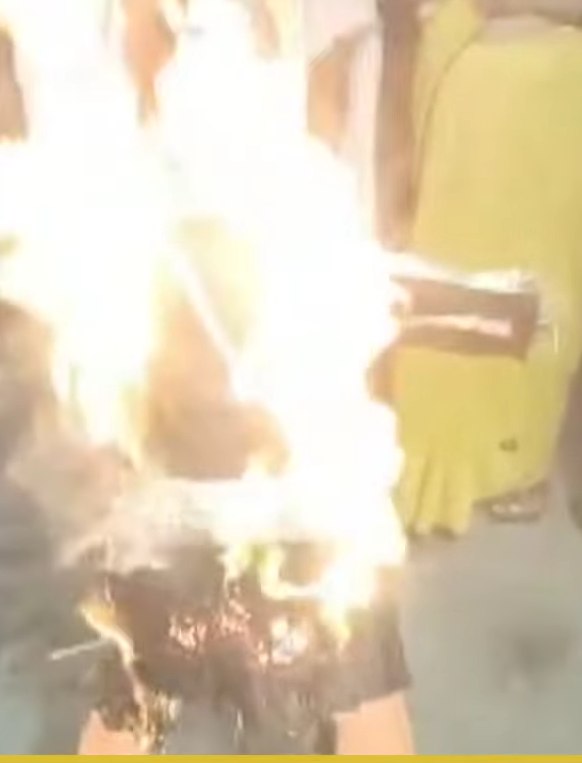
Effigy and poster burnings were adopted as a symbolic protest tool by women’s groups and local associations to publicly reject the remarks and demand legal accountability, especially after on-ground complaints were filed. In Varanasi, hundreds of women marched under banners such as “Aniruddhacharya maafi maango” and “Mahilaon ka apmaan bardasht nahi,” burning an effigy while calling for arrest and an apology, a tactic mirrored in Mathura and nearby regions.
Key protest flashpoints
Varanasi saw a large, peaceful demonstration led by women’s organizations who burned an effigy and submitted complaints, arguing the remarks harmed women’s dignity and normalized shaming from the vyas-peeth (religious lectern). In Mathura, women lawyers mobilized through the Bar Association, resolved to file cases, and protested at the Collectorate, asserting that the statements insulted women and challenged legal norms around the age of marriage.
Legal and institutional responses
Women advocates in Mathura announced plans to seek action under serious sections and to move the court under Section 156(3) to push the investigation, reflecting a shift from outrage to documented legal pursuit. Reports from Amar Ujala and other outlets recorded bar meetings, complaint submissions to the SSP, and coordinated strategies to ensure the remarks face judicial scrutiny rather than remaining a social media flashpoint.
Aniruddhacharya’s reaction and defense
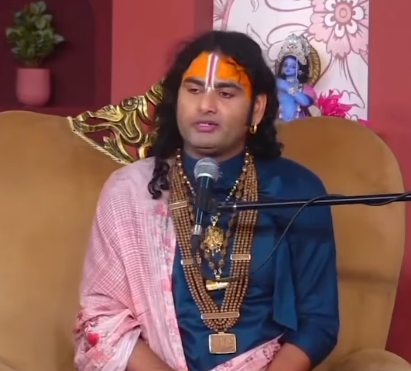
After the backlash, Aniruddhacharya ji suggested his words were distorted or taken out of context and framed the controversy as part of a broader targeting of saints, which did little to diffuse protests, according to subsequent coverage and commentary. While some reports referenced apologies or clarifications, protest groups argued that contextualization cannot erase the harm of sweeping generalizations about women from a high-visibility religious stage.
The role of social media amplification
Short clips, reels, and viral posts accelerated the controversy, transforming local outrage into a national conversation and rallying women’s groups across cities to coordinate symbolic actions, such as effigy burning and poster trampling. Social platforms carried real-time protest visuals from Varanasi and Mathura, with calls to file FIRs, tag authorities, and demand an unambiguous public apology alongside legal accountability.
Also Read: – Nepal Protests 2025: Why Gen Z Took to the Streets Against Corruption and Censorship – lostnews
Broader social implications
Activists and lawyers argued that remarks like these harden misogynistic attitudes, legitimize moral policing, and undermine legal frameworks protecting women’s rights, especially around the age of marriage and consent. The episode reignited debates about responsibility on religious platforms, where large audiences often include young devotees, and where words can shape cultural norms far beyond a single gathering.
What this means going forward
If petitions are filed under Section 156(3), a magistrate can tell the police to register a case and start an investigation when there’s enough basis to believe a crime may have happened. This means authorities may have to formally look into the remarks made from the stage, rather than ignoring them.
No matter how the legal process ends, the way people are protesting—women leading marches, lawyers’ groups getting involved, and effigy or poster burnings—shows a clear message. Communities are becoming less willing to accept public shaming of women in the name of tradition or religion.






1 thought on “Aniruddhacharya Ji Controversy: What Triggered Nationwide Protests and Outrage”