

Kashi Vishwanath Jyotirlinga in Varanasi is one of the holiest Shiva temples in India. Sitting near the Ganga, it has been a place of deep faith and living tradition for centuries. People often call it the Golden Temple of Varanasi because of its shining spire. Pilgrims from India and around the world come here to pray for peace, blessings, and spiritual freedom, in a city many believe is Lord Shiva’s own home.
Where it stands and why it matters
The temple stands in the old lanes of Varanasi, close to the Ganga ghats such as Dashashwamedh and Manikarnika. In Hindu belief, Kashi is the “City of Light,” a place where the boundary between life and liberation feels thin, and where darshan of Vishwanath is said to free one from fear and lead toward moksha. It is one of the twelve Jyotirlingas, the places where Shiva revealed himself as a pillar of light to settle a dispute between Brahma and Vishnu, a story retold in the Puranas and deeply linked to Kashi’s identity.
The ancient legends of Kashi
- Jyotirlinga origin: When Brahma and Vishnu argued over supremacy, Shiva appeared as an endless column of light. Vishnu accepted its infinity; Brahma lied. Shiva then blessed Vishnu and cursed Brahma, and the light manifested as twelve Jyotirlingas—Vishwanath of Kashi being among the most revered.
- Shiva’s eternal city: Traditions say Shiva chose Kashi as his own city, protecting it even during cosmic dissolution, and guiding souls here by whispering the liberating mantra to those who die in Kashi.
- Parvati and Kashi: Popular retellings describe Shiva and Parvati making Kashi their home after the righteous King Divodasa invited Shiva to settle, connecting the divine household to the city’s daily life.
A temple remade through the ages.
Kashi Vishwanath has been rebuilt multiple times across a thousand years of upheavals. Early temples were destroyed during invasions in 1194 and later centuries, with major demolition under Aurangzeb in 1669 when the Gyanvapi mosque was erected at the site. The present shrine was rebuilt in 1780 by Maharani Ahilyabai Holkar of Indore, whose legacy is remembered for restoring many sacred places across India. The gold plating on the spire and dome was donated by Maharaja Ranjit Singh of Punjab in the 19th century, giving the temple its famous golden appearance.
In the past few years, a new corridor has made it easy to walk straight from the Kashi Vishwanath temple to the Ganga. The lanes are wider, there’s more open space, and helpful facilities are in place, so crowds move calmly and darshan feels smooth. Elders, children, and differently abled visitors can now reach the temple and the ghats with less strain. The best part is that the old charm and heritage have been kept intact. At the same time, the experience has become safer, cleaner, and more comfortable.
Also Read: Bhimashankar Jyotirlinga: A Sacred Pilgrimage in the Sahyadri Hills – lostnews
What to see inside and around
- Sanctum and shikhara: The Jyotirlinga of Vishwanath sits in the garbhagriha under a gold-plated shikhara, with daily abhishek and aarti rituals from pre-dawn to night.
- Annapurna Devi Temple: Just nearby, devotees offer symbolic food to the goddess of nourishment before or after visiting Vishwanath, affirming that spiritual life goes hand in hand with caring for the world.
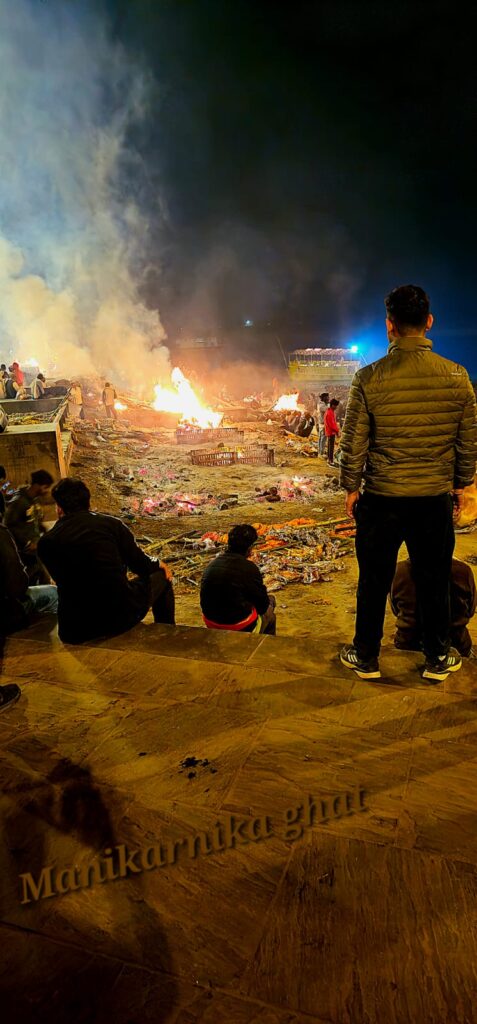
- Manikarnika and Dashashwamedh: The temple’s spiritual circle includes these iconic ghats—one tied to liberation and the other to grandeur and the Ganga Aarti—framing Kashi’s rhythm of life and death.
Rituals and the devotee’s experience
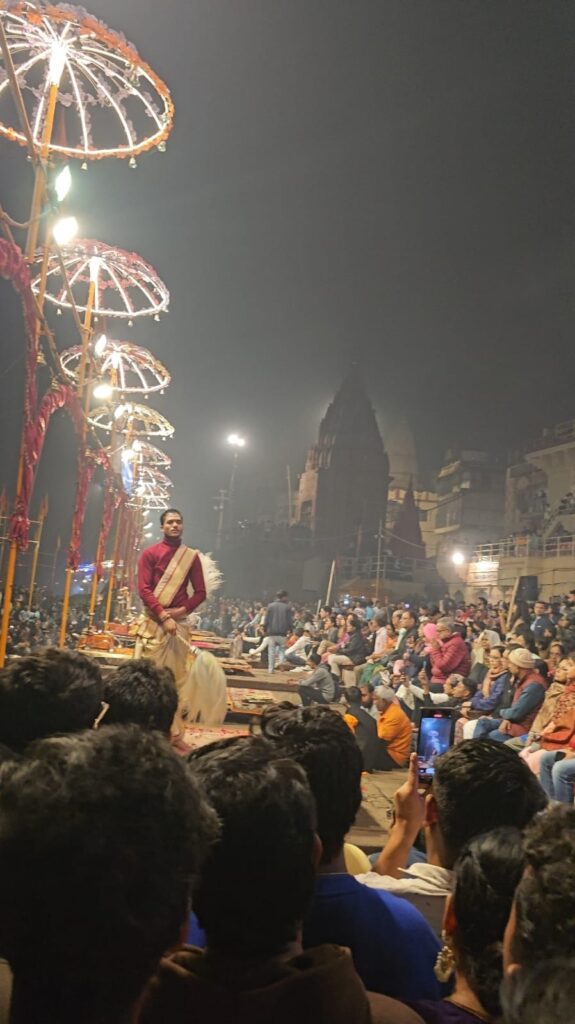
The temple day begins with Mangala Aarti around 3 AM, followed by Bhog, Sandhya, Shringar, and Shayan Aartis, which form a full rhythm of worship. Devotees offer bilva leaves, water, milk, and prayers for peace, clarity, and courage. Darshan during Shravan, Mahashivratri, and Kartik Purnima is mighty, with the city lighting up in devotion along the ghats and lanes.
Many pilgrims also perform Ganga snaan, visit Kaal Bhairav (the city’s guardian), and walk the Panch-Koshi yatra routes, weaving personal journeys of penance, gratitude, and renewal across Kashi’s sacred geography.
Culture, learning, and living heritage
Kashi’s sanctity has drawn sages and seekers for millennia. Adi Shankaracharya, Tulsidas, Kabir, Guru Nanak, and many others spent time here, shaping India’s spiritual and literary traditions. The city’s Sanskrit pathshalas, music, textiles, and crafts continue to thrive alongside the temple’s daily worship, making spirituality and culture inseparable in Varanasi’s life.
Also Read: Omkareshwar Jyotirlinga: Where the River Draws “Om” and Shiva Lives in Light – lostnews
Practical tips for visitors
- Location and access: The temple sits in the old city close to Godowlia and the main ghats, with improved access through the Corridor from the river to the mandir complex.
- Timings and bookings: Check official timings and online passes for special aartis through the temple’s website to avoid crowds and plan darshan comfortably.
- Attire and decorum: Modest clothing, minimal belongings, and respect for security protocols help ensure a smooth experience for everyone.
- Nearby experiences: Don’t miss the evening Ganga Aarti at Dashashwamedh, a quiet moment at Manikarnika Ghat, and prasad at Annapurna Devi—each adds a thread to the larger Kashi story.
Why Kashi Vishwanath still matters
Kashi Vishwanath is a place where myth, history, and daily devotion meet. The temple has risen after every fall, shining brighter with each rebuilding, and today it welcomes people from all walks of life with open doors and a golden spire. For many, a single darshan feels like a lifetime’s prayer answered—a moment of stillness on the edge of the Ganga, in the city of light, under Shiva’s eternal gaze.
In simple words, Kashi Vishwanath is the heart of Varanasi’s faith. It tells a story that stretches from ancient legends to the present-day Corridor, holding together devotion, resilience, and hope—just as the Ganga holds the city in her flow.






1 thought on “Kashi Vishwanath: The Eternal Jyotirlinga of Shiva in Varanasi”