
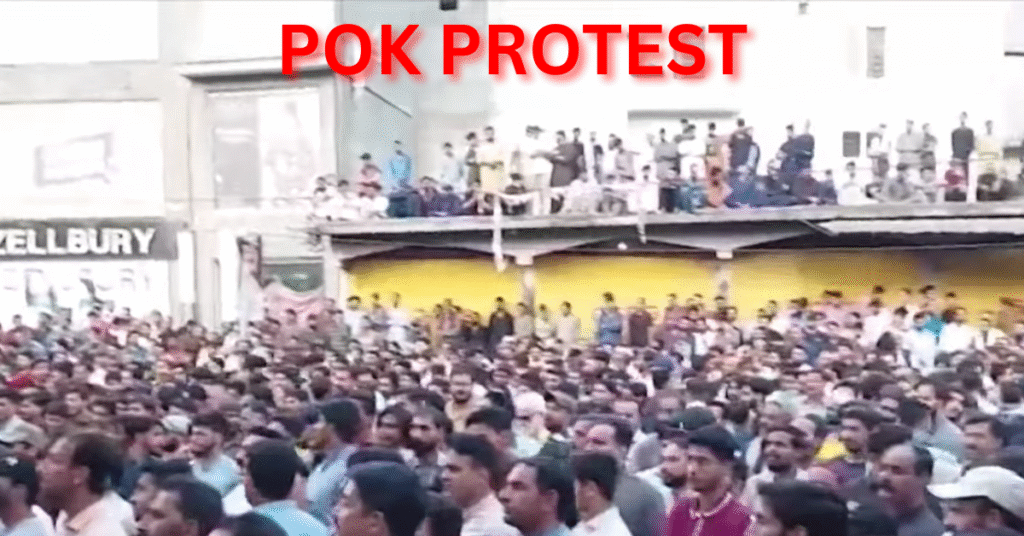
The PoK protest that began as a local outcry has now become a major flashpoint in the region. The deadly crackdown in Pakistan-Occupied Kashmir (PoK) left at least a dozen civilians dead, sparking outrage and widespread demonstrations across the area. In the following days, the PoK protests intensified, drawing international attention and forcing Islamabad to negotiate a truce that now faces its toughest test — whether the government will deliver on its promises under growing public scrutiny.
Protests widen, pressure mounts
After the shootings, the protests didn’t stop—they grew. People in Muzaffarabad and nearby towns rallied behind the JKJAAC’s long list of everyday demands, from relief on prices to cleaner governance. Newscasts showed shuttered markets and tense streets as India slammed the “horrific” use of force and pushed for accountability. With each fresh clip of clashes and shutdowns, the pressure on Pakistan climbed, and the diplomatic stakes rose.
The 25-Point Agreement: What the PoK Protest Achieved So Far
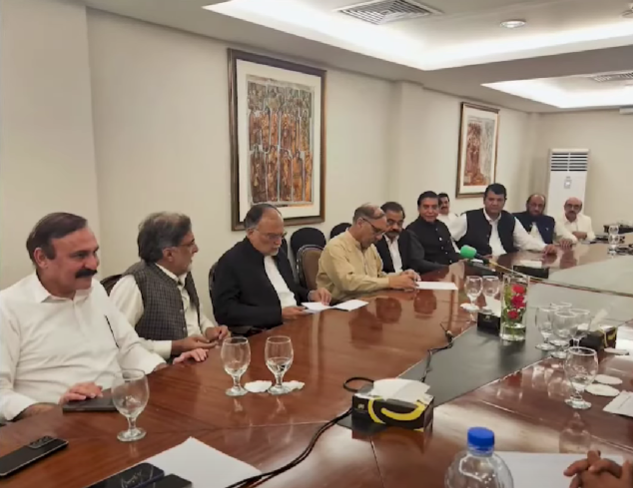
Under heavy pressure, Islamabad dispatched a high-level team to negotiate with protest leaders, culminating in a 25-point agreement that paused the agitation. The deal includes compensation for those killed, cases for violence that caused deaths, creation of new school boards in Muzaffarabad and Poonch divisions, upgrades to health diagnostics and funding via health cards, and a PKR 10 billion allocation to strengthen the electricity system in PoK. It also pledges administrative trims—limiting the cabinet and top bureaucratic posts—to curb costs and signal reform intent, with a monitoring committee to track implementation milestones.
Also Read: – PoK protests turn deadly: 12 civilians killed, many injured in clashes with Pakistani forces – lostnews
How people used the police and government

Residents didn’t just march; they engaged the system. Protest committees and bar associations coordinated petitions and complaints, pressed the police to register cases, and demanded formal inquiries into the command decisions made during the incidents of firing. On the governance side, negotiators leveraged public pressure to force talks with a federal delegation in Muzaffarabad and to extract written, time-bound commitments—turning street strength into a structured, trackable accord. Community networks also organized logistics that overlapped with state functions, including volunteer first-response teams, blood donation drives, legal aid desks, and evidence gathering to support any future investigations or compensation claims.
What Changed on the Ground After the PoK Protest Deal
With the agreement signed, roads reopened and markets stirred back to life, easing the immediate shutdown that had paralyzed districts for days. Police and civil administration started the slow process of normalizing movement, lifting blockades, and coordinating medical relief and documentation for compensation claims under the settlement. Yet, alongside reopening, authorities also moved on law-and-order cases tied to vandalism and violence, reflecting a dual track of conciliation and enforcement.
Accountability Questions Still Unanswered After the PoK Protest
Even with a truce, trust is brittle. Families and civil groups are asking who ordered live fire, whether body-cam or operational footage exists, and how evidence will be preserved for any independent probe.India’s foreign ministry kept the pressure on, calling Pakistan’s response “oppressive” and asking for real accountability for civilian harm, a view echoed by diaspora groups and many policy voices. Observers caution that if there isn’t a clear, transparent follow‑through—names, timelines, and evidence—the region could slip back into the same protest‑and‑crackdown loop that fueled the worst violence in the first place.
Why the PoK Protest Deal Is Only the Beginning
On paper, the 25-point accord touches everyday pain points—power tariffs, health access, school governance, and administrative costs—and sets a pathway to ease public anger. The real test lies in execution: releasing funds quickly, cutting bureaucratic excess without stalling services, and communicating progress with regular public updates. The monitoring and implementation mechanism will be watched closely; missed timelines or opaque decision-making could reignite demonstrations.
Also Read: – Nepal Protests 2025: Politicians Under Fire as Gen Z Revolt Shakes Kathmandu – lostnews
What to Watch Next as the PoK Protest Enters a Critical Phase
- Compensation disbursal and verification for victims’ families under the agreed framework.
- Timelines for electricity upgrades funded by the PKR 10 billion allocation and immediate tariff relief measures.
- Formation of the new education boards and activation of diagnostic upgrades and health cards in district hospitals.
- Any movement toward independent fact-finding on the firing incidents and preservation of operational evidence.
- Public reporting by the implementation committee on whether police cases strike a balance between accountability and reconciliation.
In short, people in PoK forced a negotiation by combining mass mobilization with legal demands and structured dialogue, turning anger into leverage and leverage into a signed deal. Whether that deal brings lasting change depends on visible delivery, transparent accountability, and a sustained channel for grievances—before the streets fill again.




2 thoughts on “PoK Protests Shake Islamabad: 25-Point Agreement Reached After Violent Crackdown”