
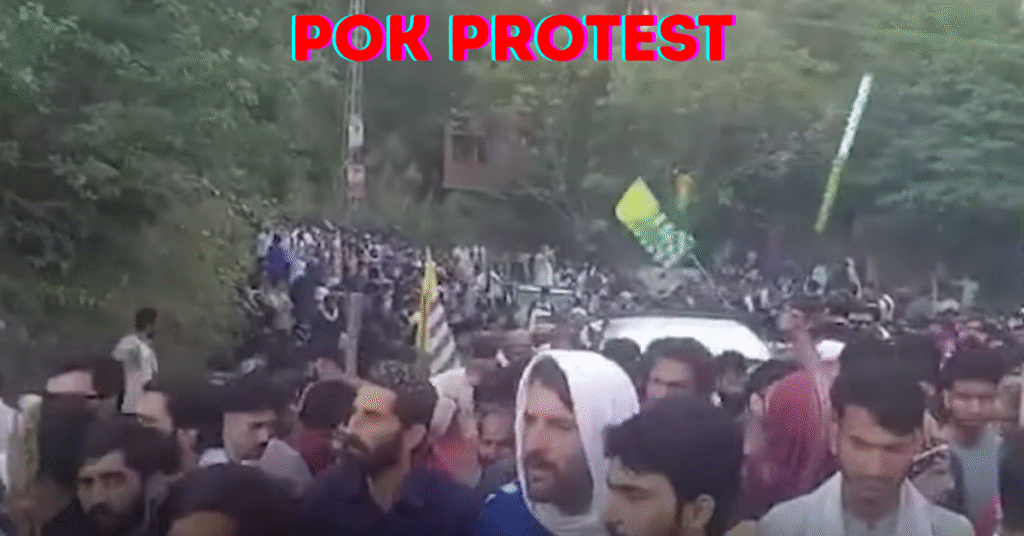
At least 12 people were killed, and hundreds were injured during POK protests in Pakistan-Occupied Kashmir. Clashes broke out in Muzaffarabad, Dheerkot, and Dadyal after security forces allegedly fired on crowds to break up the demonstrations. Some police personnel also died in related violence as anger grew over long-standing issues and how the region is being governed.
What Sparked the PoK Protests
Big protests broke out across PoK this week as civic groups rallied against rising prices, alleged army high‑handedness, and lack of political voice. As the crowds grew, clashes with security forces intensified, and in several areas, shots were reportedly fired to break up the mobs. Hospitals and local officials said injuries surged and emergency teams were stretched through the day. At the same time, civil society described the events as one of the most violent crackdowns in the region in recent years.
Where the POK Protest Turned Violent
Unrest centered around Muzaffarabad, Dheerkot, and Dadyal, with spillover incidents reported from other districts. Eyewitness accounts described chaotic scenes as processions moved toward administrative buildings and key junctions. Security layers, including police, Rangers, and other armed units, were deployed, with curbs on movement and temporary suspensions in certain services reported by local outlets.
Why People Protested
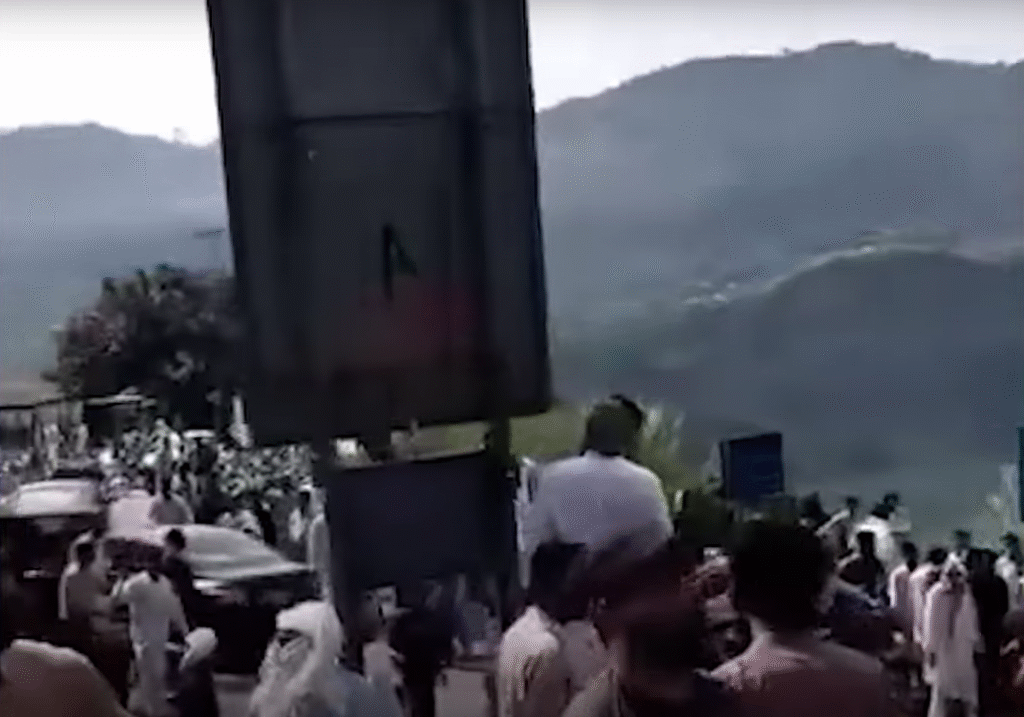
People took to the streets because of rising prices, heavy power and tax bills, too few jobs, and a growing feeling that their basic rights are being ignored. Organizers referenced a charter of demands addressing governance, transparency, and accountability, insisting that unaddressed complaints had prompted residents to take to the streets. Over time, the agitation expanded into broader criticism of the military’s role in regional administration and law-and-order handling.
Also Read: – Aniruddhacharya Ji Controversy: What Triggered Nationwide Protests and Outrage – lostnews
Conflicting Claims On Responsibility
Protest leaders say security forces went too far, even firing live rounds at people who weren’t armed, while officials argue the crowds turned violent with stone‑pelting, damage to property, and attacks on police that forced a tougher response. With these two stories pulling in opposite directions, it’s hard to pin down the full sequence of events, and anger on both sides is rising.
In the chaos, hospitals filled quickly, families rushed to find loved ones, and volunteers worked through the night to help the injured. Shops pulled their shutters down early, checkpoints appeared, and movement tightened—adding to the worry and confusion on the streets.
Community organisers say the marches began with basic demands about prices and respect, while officials claim things crossed the line when crowds pushed past security barriers. With both sides giving different versions, people want a clear, independent timeline of events. Until those facts are shared openly with evidence, mistrust will hang in the air, families will stay on edge, and tensions could flare up again. Until that’s out in the open—with evidence everyone can see—distrust will linger, families will stay anxious, and tempers could flare again.
Humanitarian Impact of the PoK Protest
As the day wore on, injury counts kept shifting while hospitals handled a nonstop rush and families searched for missing relatives. Volunteers said supplies ran short at peak hours, even as officials urged calm and promised an inquiry. Neighborhood groups organized blood drives, emergency rides, and legal help for those caught up in the chaos. The strain wasn’t just physical—fear, anger, and grief weighed heavily on people. In many homes, the anxiety lingered late into the night, as communities waited for clearer answers and some sign that help was on the way.
Security And Government Response TO the POK PROTEST
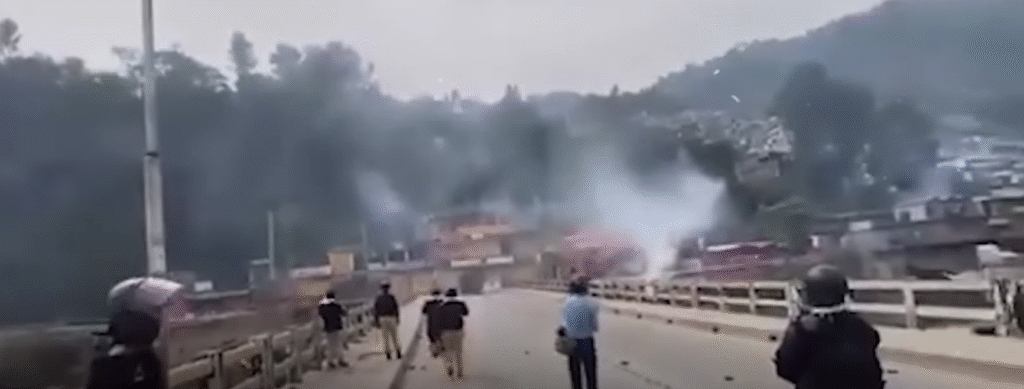
Authorities put more personnel on the streets, rolled out crowd‑control steps, and said they’re ready to talk once things calm down. Curfews and near‑lockdowns were reported in some areas, with checkpoints and roadblocks disrupting supplies and daily routines. As frustration grew, so did calls for an independent probe—people want a judge‑led inquiry, any available body‑cam footage made public, and clear accountability for who gave the orders. Without transparent answers, trust will be hard to rebuild, and normal life will remain on edge.
Regional And International Attention
Because PoK is so sensitive, the news of deaths spread fast and drew strong reactions from diaspora groups, rights advocates, and policy voices. Human rights organizations urged a transparent, independent investigation, asked security forces to show restraint, and pressed for protection of the right to assemble and speak. Lawmakers and diaspora groups abroad also flagged the issue, calling for dialogue and oversight. Many observers warned that if core grievances aren’t addressed, distrust will harden and the region could slip into a repeating cycle of protests and crackdowns.
Also Read: – Bareilly Protest Erupts Over “I Love Muhammad” Placards: How a Peace March Turned Violent – lostnews
Legal and Accountability Demands After the PoK Protest
Activist groups plan to file complaints, move writ petitions, and ask for compensation for affected families. Lawyers say there’s a clear path to get a court to tell police to register a case and investigate if authorities delay. Whether this leads to arrests, trials, or policy changes will depend on solid evidence, an independent probe, and steady public pressure.
What To Watch Next
- Verification of casualties and an authoritative timeline from medical, administrative, and independent sources.
- Whether restrictions ease or intensify, and if dialogue channels with protest leaders are formalized.
- Scope and independence of any announced inquiry, including potential third-party or judicial oversight.
- Impact on daily life—schools, markets, transport—and the risk of renewed flashpoints at funerals or memorial gatherings.



1 thought on “PoK protests turn deadly: 12 civilians killed, many injured in clashes with Pakistani forces”