
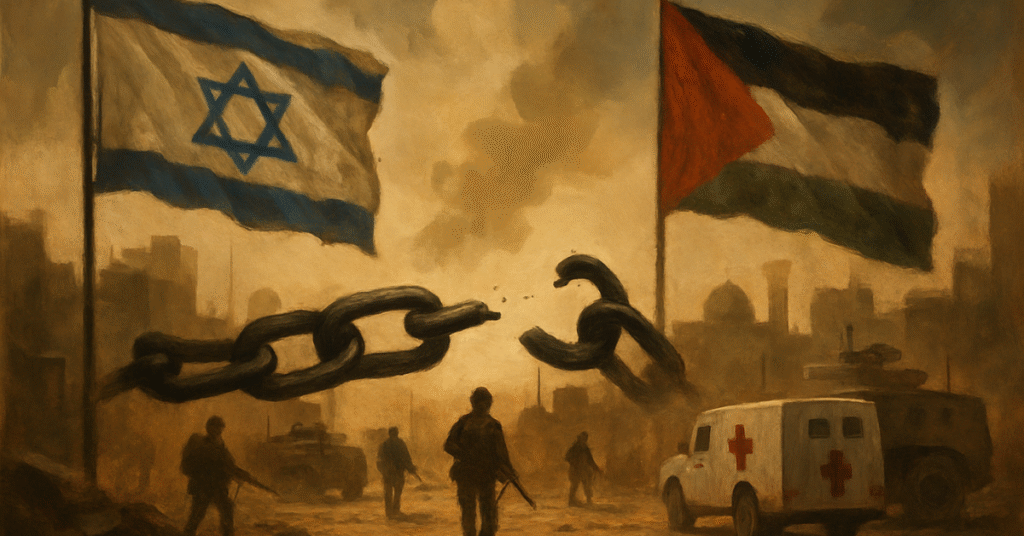
If you’ve been following what the Middle East is going through and heard about Hostages, then you would have known what it feels like every day brings more heartbreak, outrage, and impossible choices. For Israelis and Palestinians, and frankly, anyone who cares about basic humanity, this current chapter reads like a gut punch that won’t quit. As an observer, writer, and fellow human, I feel compelled to break down what’s happening—not just in terms of military maneuvers, but for the families, and the world watching with bated breath.
The Hostage Crisis: Desperation and Dilemmas
Let’s set the stage. It’s August 2025. Nearly two years after that shattering October 7th attack, at least 20 Israeli hostages are still believed alive, trapped somewhere in the chaos of Gaza. Imagine being in their families’ shoes: nights blurred into days, each media update a flicker of hope or another fresh wound. Over the weekend, Hamas released videos of gaunt Israeli captives. One, Evyatar David, was shown digging what he was told was his own grave. It’s hard to fully grasp the pain behind those images.
Israel’s Military Response: “Military Solution”
With negotiations at an impasse and public anger reaching fever pitch, Prime Minister Benjamin Netanyahu has shifted away from hopes for a deal. He’s pushing a “military solution” instead. The working idea? Expand ground operations in Gaza in the hopes of rescuing the hostages by force. Netanyahu’s tone has grown more resolute after seeing recent hostage videos: “Hamas doesn’t want a deal,” he insists. “It wants to break us through horrifying videos and propaganda. But we will not break.” For him, a “decisive military victory” seems the only path left.
Which isn’t some abstract debate. Tens of thousands flooded Tel Aviv over the weekend, demanding action to bring their loved ones home—some clamoring for negotiations, many fearing that war only puts hostages in greater danger. The Hostages and Missing Families Forum, representing over half of the remaining captives’ relatives, openly accused Netanyahu of pushing a “public fraud,” arguing military means will endanger—not save—their loved ones.
The Cost: Human Suffering in Gaza
Meanwhile, Gaza teeters on a humanitarian knife’s edge. Hamas, for its part, issued a conditional offer: They’d allow the Red Cross access to hostages—but only if Israel opens permanent humanitarian corridors for food and medicine. Imagine the stakes of this stand-off. Gaza’s health ministry reports that at least 175 people—including 93 children—have died from malnutrition since the war began. The number climbs daily amid fuel shortages, destroyed infrastructure, and extreme hunger.
International agencies warn that famine is “imminent.” Aid convoys, when allowed, often don’t reach all who need them; some are intercepted, others are simply too little, too late. Many Gazans reportedly have had to risk their lives scrambling for a bag of flour or medicine—as if merely surviving another day is a feat.
Hamas’s Bargain and Israel’s Calculus
Hamas’s proposal is painfully pragmatic: They claim hostages will get no special food or care unless Israel provides relief corridors for all Gazans. They want a complete halt to airstrikes and a genuine aid flow; otherwise, even Red Cross access is off the table. From Israel’s vantage, agreeing to these terms seems to mean ceding tactical ground and possibly empowering Hamas’s position. Yet for those hostages, and their families, every hour spent debating is an hour stolen from hope.
The World Responds: Pressure Builds
The shocking images from Gaza and the hostages’ videos sparked rare unity: Western leaders from Germany to France called for immediate action, with the UN convening emergency sessions. Inside Israel, public opinion is wavering—many want the war to end, but not at any cost, and certainly not if it means abandoning hostages.
Personal Reflections: What’s the Way Forward?
Written not from a place of political calculation, but from a belief that no one should ever have to weigh the lives of their family against national pride or security dogma. This story is about people—mothers clinging to empty beds, children trying to sleep through hunger pains, soldiers torn between duty and compassion.
Netanyahu is choosing to rely on military action in hopes of bringing his people home. Hamas is relying on the suffering, the release of certain footage, and mounting international pressure to influence the situation. But every decision, every public ultimatum, exacts a painful price, measured in scared families, starving children, and a region teetering on the edge.
As of now, the stalemate holds. The hostages wait. Gaza waits. And the world waits—rooting for common sense, compromise, and above all, a long-overdue peace.



1 thought on “Israel’s Tough Choice: Military Rescue for Hostages or Humanitarian Aid in Gaza?”