

Mahakaleshwar Jyotirlinga, located in Ujjain, Madhya Pradesh, is one of the most famous and sacred temples dedicated to Lord Shiva in India. Revered as one of the twelve Jyotirlingas, Mahakaleshwar holds a very special place in Hindu stories and beliefs. It is one of the most important temples of Lord Shiva and is visited by millions of people every year who come to pray and feel close to God.
The Origins and Legends
The Mahakaleshwar temple is an ancient and famous Shiva temple in Ujjain, Madhya Pradesh. The temple stands beside the holy Shipra River. In ancient times, Ujjain was known as Avantika. People come here from all over India because it is one of the seven holiest cities for Hindus.
According to legend, King Chandrasena was a devoted follower of Lord Shiva and ruled Ujjain. A boy named Shrikhar wished to join the king in prayer but was turned away. One day, Shrikhar overheard enemy kings Ripudaman and Singhaditya planning an attack on Ujjain along with a powerful demon named Dushanan. Shrikhar and a priest named Vridhi prayed to Shiva for help. When the enemies attacked, Shiva appeared in his fierce form as Mahakal, defeated them, and saved the city. Since then, it is believed that Lord Shiva decided to stay in Ujjain as the Mahakaleshwar Jyotirlinga to protect the city forever.
Ancient Past to Present Day
The history of the Mahakaleshwar temple dates back thousands of years. Ancient texts, including the Puranas, state that Prajapati Brahma built the first temple. Over time, many kings and dynasties contributed to its construction and upkeep, making it a thriving spiritual center through various centuries.
Yet, Mahakaleshwar’s journey has not been without challenges. The temple suffered multiple invasions—most notably, it was destroyed in the 13th century during the rule of Iltutmish, a Sultan who attacked Ujjain and dismantled the Jyotirlinga. But the faith of the devotees would not let the temple disappear. Over many years, different rulers helped to rebuild and improve the Mahakaleshwar temple. Important leaders from the Maratha period, like Ranoji Shinde and Diwan Ramchandra Baba Sukthankar, played a big role in fixing the temple. Because of their work and others, the temple shows a mix of different styles of building, including Maratha and Bhumija designs.
After India became independent, the temple was brought under the administration of the local collectorate to ensure its preservation and maintenance for future generations.
Also Read: The Timeless Sanctity of Mallikarjuna Jyotirlinga Temple – lostnews
What Makes Mahakaleshwar Special?
Mahakaleshwar is not just another temple—it is unique in several ways:
- It is the only Jyotirlinga that faces south (Dakshinmukhi), while most others face east. In Hindu tradition, the south direction is connected to Yama, the god of death. By facing south, Shiva at Mahakaleshwar is considered the master over death and time itself, giving hope to devotees seeking freedom from fear and suffering.
- The Shiva Lingam here is believed to be Swayambhu—it is said to have appeared on its own, not installed by any human hands. This makes it a source of immense spiritual power, drawing people from all walks of life.
The temple is also a revered Shakti Peeth. According to Hindu mythology, parts of Sati’s body (Shiva’s first wife) fell at various spots across India, making those places highly sacred. The upper lip of Sati is believed to have fallen in Ujjain, adding to the site’s spiritual energy.
Vibrant Rituals and Festivities
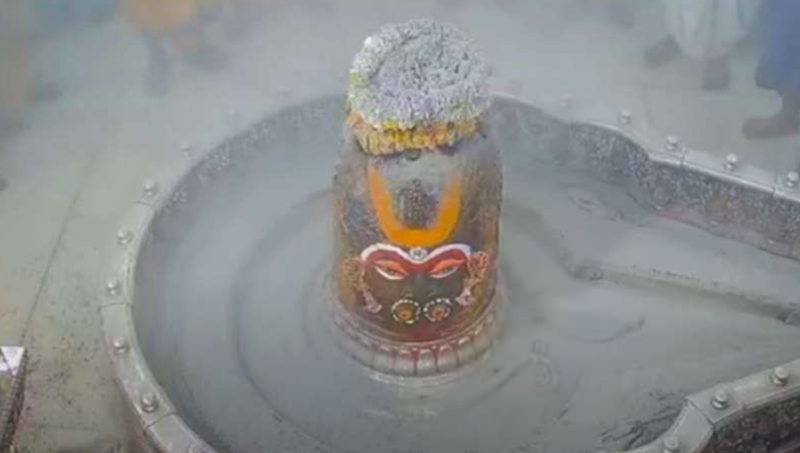
Mahakaleshwar temple is well known across India for its special rituals. The most famous is the Bhasma Aarti, which happens early every morning. In this ceremony, the priest worships Lord Shiva with sacred ash. This ash shows us that life is temporary and reminds us about the spiritual side of life. Pilgrims gather before dawn to witness this powerful ritual—a once-in-a-lifetime experience for many.
During the months of Shravan and Bhadrapada in the Hindu calendar, the temple comes alive with grand processions called “Mahakal Ki Sawari,” where an idol of Mahakal is carried in a beautifully decorated palanquin, accompanied by singing and dancing through the streets. On festivals like Mahashivratri, the temple attracts lakhs of devotees who come to offer prayers and seek blessings for a prosperous life.
On the second floor of the temple, one can find the Omkareshwara Lingam, and on the top floor, there’s a rare image of Nagchandreshwar, which is open for worship only once a year during Nag Panchami.
Also Read: Kedarnath: A Path to Find Lord Shiva – lostnews
Temple Architecture and Visitor Information
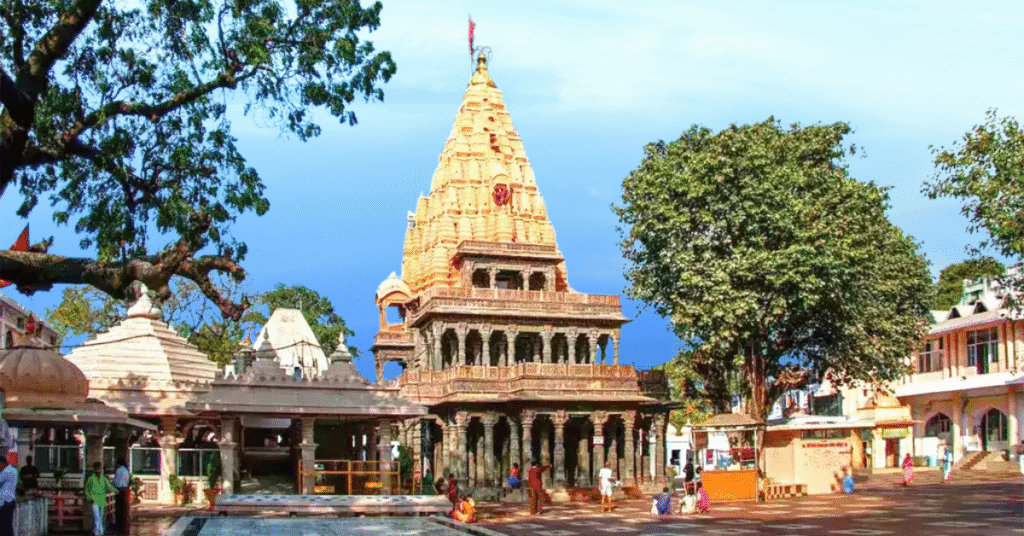
The Mahakaleshwar temple is a beautiful building with five floors. It has detailed carvings and small shrines for gods like Lord Shiva, Goddess Parvati, Lord Ganesh, Lord Kartikeya, and Nandi, the sacred bull. The temple’s tall tower, called the shikhara, is very high and is a famous landmark in Ujjain.
The temple welcomes everyone. Ujjain is easy to reach by train, bus, and plane, so many people come for a visit. The temple has modern facilities that make sure pilgrims and tourists feel comfortable and safe during their visit.
Faith and Belief
Devotees believe that Mahakaleshwar Jyotirlinga is a place where sincere prayers are answered and wishes are fulfilled. Many people come to the Mahakaleshwar temple to find relief from their problems, to feel safe from danger, and to get blessings for good health, happiness, and a long life. It is believed that praying here helps people overcome their fear of death and brings them closer to spiritual freedom, also known as moksha.
Conclusion
Mahakaleshwar Jyotirlinga is more than just a temple. It is a symbol of strong faith, bravery, and hope. Even after many difficult times in history, the temple has stood tall and continues to inspire everyone who visits. People seeking peace, blessings, and a deep spiritual experience find Mahakaleshwar in Ujjain to be a special place. This temple connects the past, the present, and the future at the heart of India.






2 thoughts on “The Timeless Story of Mahakaleshwar Jyotirlinga, Ujjain”