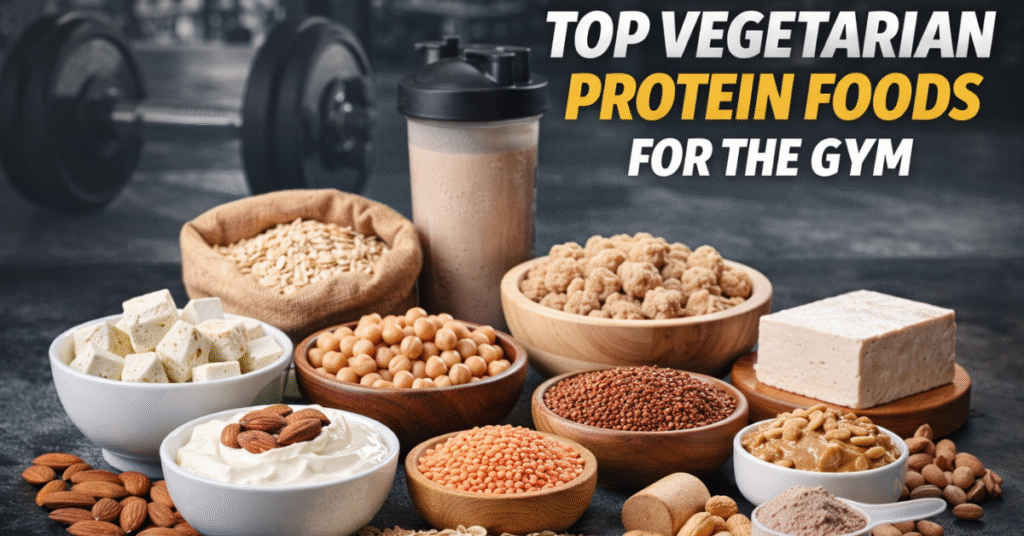
If you go to the gym regularly, you already know one golden rule — protein is everything. Whether your goal is muscle gain, fat loss, or better recovery, your body needs quality protein every single day.
But here’s the big question many people ask:
Can you build muscle on a vegetarian diet?
The answer is a big YES.
You don’t need chicken, eggs, or fish to hit your protein goals. There are plenty of powerful vegetarian protein sources that can help you build strength, recover faster, and improve your gym performance.
In this article, we’ll explore the top 10 vegetarian protein foods that every gym lover should include in their diet. These foods are affordable, easily available, and highly effective for muscle building.
Let’s get started.
1. Paneer (Cottage Cheese)
Paneer is a superstar when it comes to vegetarian protein in India.
It is rich in casein protein, which digests slowly and provides your muscles with a steady supply of amino acids. This makes it perfect for nighttime consumption.
Protein content:
Approximately 18–20 grams per 100 grams.
Why gym people love it:
- Helps in muscle recovery
- Keeps you full for longer
- Great for bulking diets
You can eat paneer as bhurji, grilled cubes, or add it to salads.
2. Greek Yogurt (Hung Curd)
Greek yogurt is thicker and higher in protein than regular curd. It’s one of the easiest vegetarian protein options you can include in your daily diet.
Protein content:
Around 10 grams per 100 grams.
Benefits for gym lovers:
- Supports gut health
- Aids digestion
- High in calcium
Add fruits and nuts for a powerful post-workout snack.
3. Lentils (Dal)
Dal is a staple in most Indian homes — and for good reason.
It is one of the most affordable and effective vegetarian protein sources available.
Protein content:
About 9 grams per 100 grams (cooked).
Lentils also contain fiber, iron, and complex carbs, making them excellent for sustained energy during workouts.
Popular options include:
- Moong dal
- Masoor dal
- Toor dal
Combine dal with rice for a complete amino acid profile.
4. Chickpeas (Chana)
Chickpeas are another powerhouse of vegetarian protein. They are versatile, tasty, and easy to prepare.
Protein content:
Around 8–9 grams per 100 grams (cooked).
They are rich in:
- Fiber
- Iron
- Magnesium
You can eat them boiled, roasted, or as hummus. Roasted chana makes a perfect evening snack for gym enthusiasts.
5. Tofu
Tofu is made from soybeans and is one of the highest-quality vegetarian protein sources available.
It contains all nine essential amino acids, making it a complete protein.
Protein content:
Around 15–17 grams per 100 grams.
Why it’s great:
- Low in calories
- High in protein
- Ideal for cutting diets
You can grill, sauté, or scramble tofu just like paneer.
6. Quinoa
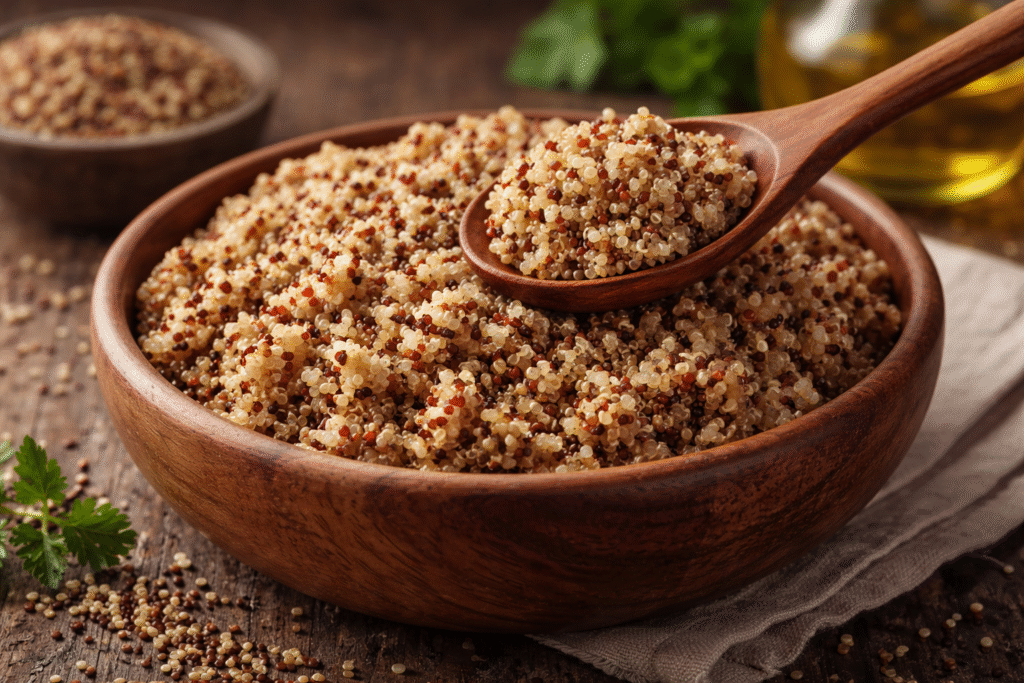
Quinoa is often called a “superfood” — and for good reason.
Unlike most plant foods, quinoa is a complete vegetarian protein source.
Protein content:
About 8 grams per cup (cooked).
It also provides:
- Complex carbohydrates
- Magnesium
- Iron
Replace white rice with quinoa for a protein boost.
Also Read: – Top 10 Protein Food Options for Gym People Who Want Real Results – lostnews
7. Peanuts and Peanut Butter
Peanuts are calorie-dense and rich in vegetarian protein, making them ideal for people trying to gain muscle mass.
Protein content:
Around 25–26 grams per 100 grams.
Peanut butter is convenient and easy to add to:
- Smoothies
- Oats
- Whole wheat bread
Just make sure you choose natural peanut butter without added sugar.
8. Almonds
Almonds are small but powerful when it comes to nutrition.
Protein content:
Around 21 grams per 100 grams.
They also provide:
- Healthy fats
- Vitamin E
- Antioxidants
A handful of soaked almonds in the morning can support muscle recovery and overall health.
9. Soya Chunks
If you are serious about gym gains, soya chunks are one of the most powerful vegetarian protein foods you can eat.
They are extremely high in protein and very affordable.
Protein content:
Around 50 grams per 100 grams (dry weight).
That’s more protein than many non-vegetarian foods.
They are perfect for:
- Bulking diets
- High-protein meal prep
- Budget-friendly muscle building
However, consume in moderation and balance with other protein sources.
10. Oats
Oats are not just a carb source — they also provide decent vegetarian protein.
Protein content:
Around 11–13 grams per 100 grams.
Oats are ideal for:
- Breakfast
- Pre-workout meals
- Muscle recovery
Combine oats with peanut butter, milk, or protein powder for a powerful high-protein meal.
How Much Vegetarian Protein Do Gym People Actually Need?
For muscle building, most fitness experts recommend:
1.6 to 2.2 grams of protein per kg of body weight per day.
For example:
- If you weigh 70 kg, you need around 112–150 grams of protein daily.
The good news is that you can easily achieve this by using multiple vegetarian protein sources throughout the day.
Smart Tips to Increase Vegetarian Protein Intake
Here are some practical tips:
1. Combine Different Protein Sources
Plant proteins sometimes lack certain amino acids. Combining foods like:
- Dal + Rice
- Peanut butter + Whole wheat bread
- Chickpeas + Salad
creates a complete protein profile.
2. Eat Protein in Every Meal
Instead of eating all your protein at dinner, spread it across:
- Breakfast
- Lunch
- Dinner
- Snacks
3. Use Protein-Rich Snacks
Keep roasted chana, peanuts, or Greek yogurt handy.
4. Consider Plant-Based Protein Powder
If your diet isn’t enough, a vegetarian protein supplement (like whey or plant-based protein) can help you meet your daily target.
Also Read: – Why Fitness in Your 30s Matters and Simple Habits to Live a Healthier Life – lostnews
Can You Build Muscle with Only Vegetarian Protein?
Absolutely.
Many athletes, bodybuilders, and fitness influencers successfully follow vegetarian diets. What matters most is:
- Total protein intake
- Consistency
- Proper workout routine
- Sufficient calories
Your body does not care whether protein comes from chicken or chickpeas — it only cares about amino acids.
Final Thoughts
Building muscle on a vegetarian diet is not only possible — it can be extremely effective if done properly.
The key is understanding your protein needs and choosing high-quality vegetarian protein foods like:
- Paneer
- Tofu
- Lentils
- Chickpeas
- Soya chunks
- Greek yogurt
- Nuts and seeds
With the right planning, dedication, and smart food choices, you can achieve impressive gym results without eating meat.
So if you’re a gym lover wondering whether vegetarian protein is enough for muscle growth, the answer is simple:
Yes, it absolutely is.
Stay consistent. Eat smart. Train hard.