
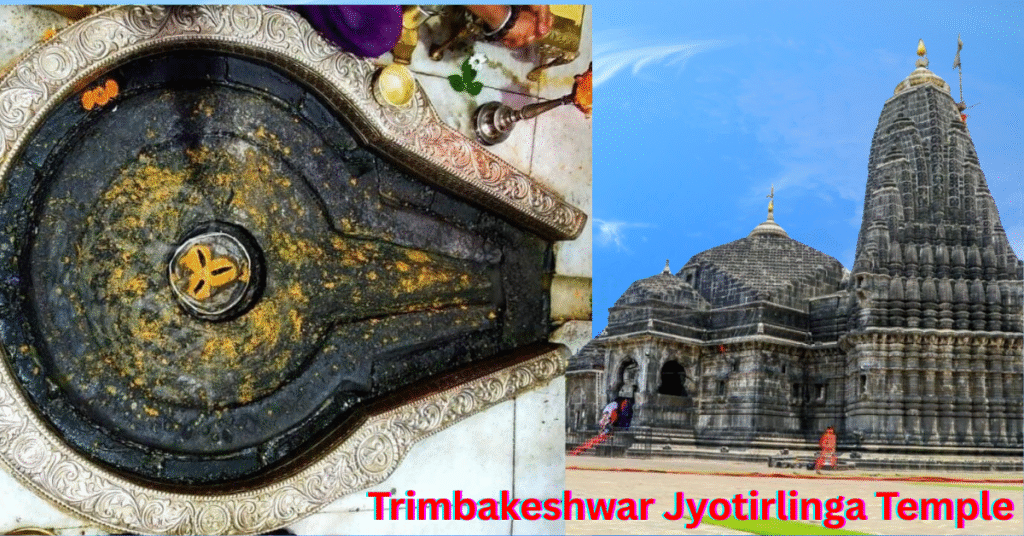
Trimbakeshwar Jyotirlinga in Trimbak, near Nashik, is one of the twelve sacred Jyotirlingas of Lord Shiva and the legendary birthplace of the Godavari River. Set at the foot of the Brahmagiri hills, the temple blends ancient legends, Maratha-era architecture, and living traditions that draw pilgrims year-round for worship and special rituals.
Where Trimbakeshwar Is and Why It Matters
Trimbakeshwar lies about 28 km from Nashik city in Maharashtra, amidst the Western Ghats’ greenery and monsoon springs. The temple is revered for its unique Jyotirlinga, which features three aspects of the divine—Brahma, Vishnu, and Shiva—hence the name “Tri-ambaka,” or “Three-eyed/Three Lords.” This rare form sets Trimbakeshwar apart from other Jyotirlingas and deepens its spiritual significance for devotees.
Origin of the Godavari and core legends
According to sacred lore in the Puranas, Sage Gautama lived on Brahmagiri with his wife Ahalya and performed penance. After a drought and a series of events, Gautama prayed to Lord Shiva to bring the sacred Ganga to cleanse the land. Moved by his devotion, Shiva requested Ganga to descend here as the Godavari, now honored as the “Dakshina Ganga.” The river’s symbolic source is the Kushavarta Kund near the temple, where pilgrims bathe and begin parikrama and rituals.
Some traditions also link the river’s origin to Lord Vishnu’s Vamana form as Trivikrama, tying Trimbakeshwar to both Shiva and Vishnu in local memory. Together, these stories explain why the Godavari and the temple are seen as sources of purity, renewal, and blessings for those who come in faith.
Also Read: Kashi Vishwanath: The Eternal Jyotirlinga of Shiva in Varanasi – lostnews
Temple history across the ages
The present stone temple was commissioned in the 18th century by Peshwa Balaji Baji Rao (also known as Nanasaheb), replacing an older shrine on the same sacred site. The temple is made of black stone and follows an old local style of design. It has a tall shikhara (tower), carved pillars, and traditional patterns that show clear Maratha influence. Today, the Trimbakeshwar temple trust looks after daily worship, special pujas, and festivals, making sure pilgrims have a smooth and respectful experience.
The temple is also known for housing traditional Hindu genealogy registers, a rare practice that keeps ancestral records for families who visit to perform rites—one reason Trimbakeshwar remains central to life-cycle ceremonies and memorial rituals.
The Unique Jyotirlinga of Trimbakeshwar
Unlike most lingas, the Trimbakeshwar Jyotirlinga is a recessed form in a hollow, traditionally believed to embody the Trimurti—Brahma, Vishnu, and Shiva—within one sacred presence. A jeweled crown is ceremonially used to honor this triune form on special occasions. Constant abhishek over centuries has naturally worn the stone, which devotees see as a living sign of time’s flow and Shiva’s cycle of creation, preservation, and dissolution.
Sacred waters and the Kushavarta Kund
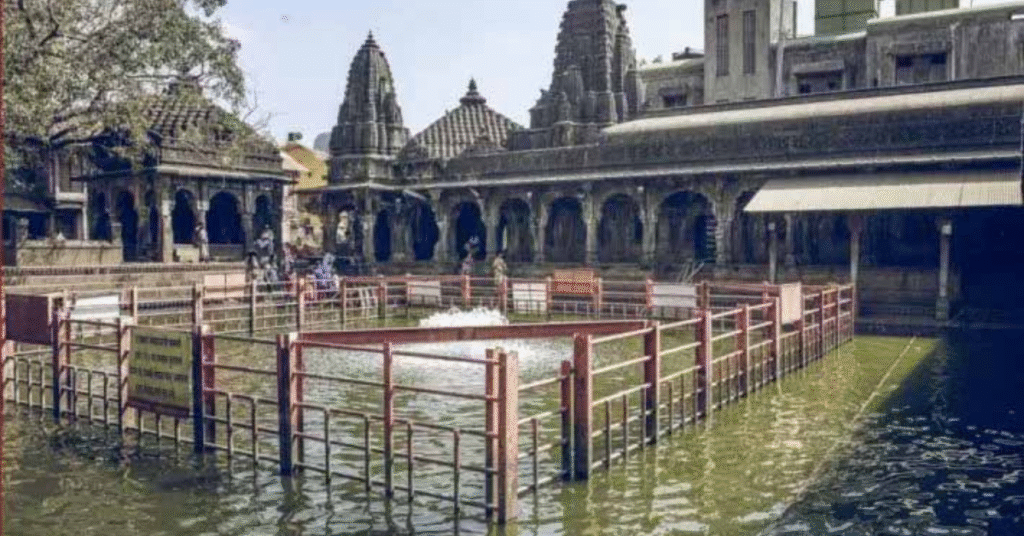
Kushavarta—considered the ritual source of the Godavari—sits in the temple precinct. Pilgrims take a dip here before darshan and important rites, believing the waters cleanse the past and bless the future. Many yatras begin from this tank, anchoring Trimbakeshwar’s identity as both a temple and a river-origin tirtha for the wider Deccan and beyond.
Daily worship, major pujas, and festivals
- Daily rhythm: The day opens with Kakad Aarti at dawn, followed by abhishek, aartis, and darshan through the day, closing with Shejarati at night. The experience is simple, devotional, and steeped in Vedic chant and bell sounds.
- Special pujas: Trimbakeshwar is renowned for Narayan Nagbali, Kaal Sarp Shanti, and Tripindi Shraddha—rituals performed to resolve ancestral issues, life obstacles, and specific doshas, drawing pilgrims from all over India.
- Festivals: Mahashivratri brings all-night worship; the Kumbh Mela at Nashik-Trimbak, held every 12 years, turns the town into a vast spiritual camp with holy dips in the Godavari; Shravan Maas and Kartik Purnima also see large gatherings.
Architecture and setting
The temple’s black-stone walls, sculpted shikhara, and carved pillars reflect Maratha-era aesthetics rooted in older styles. The compound’s four entry gates align with cardinal directions, traditionally symbolizing beginnings, ripening, fulfillment, and revelation, guiding pilgrims’ inner journey as they move through the precincts. The Brahmagiri backdrop and monsoon-fed streams add to the sacred landscape, making the yatra as much about nature as prayer.
Also Read: The Timeless Sanctity of Mallikarjuna Jyotirlinga Temple – lostnews
Learning, lineages, and living traditions
Trimbakeshwar hosts many Brahmin households, Vedic pathshalas, and ashrams, keeping chant, ritual training, and community service alive. Families return here to update genealogy records, perform naming or memorial ceremonies, and mark life milestones, tying personal history to the temple’s timeless rhythm.
Visitor guidance and how to reach
- Access: Trimbak is about an hour from Nashik by road, with regular connections from Mumbai and Pune via Nashik; the last stretch skirts the Ghats and is pleasant post-monsoon.
- When to visit: Monsoon and winter months are scenic and comfortable; festival days are crowded but spiritually charged; early mornings offer calmer darshan.
- Etiquette: Dress modestly, plan slots for special pujas with authorized priests, and respect sanctuary areas around Brahmagiri and the kunds to keep the waters clean for all.
Why Trimbakeshwar still matters
Trimbakeshwar is where the temple and the river meet—old stories and everyday devotion come together here. The three-faced Jyotirlinga reminds people that life keeps moving through creation, protection, and change. With each abhishek and every round of Kushavarta, visitors feel connected to a long journey—from Sage Gautama’s prayers to the Godavari flowing across India today.






2 thoughts on “Trimbakeshwar Jyotirlinga: Sacred Temple of Shiva and the Birthplace of the Godavari”