
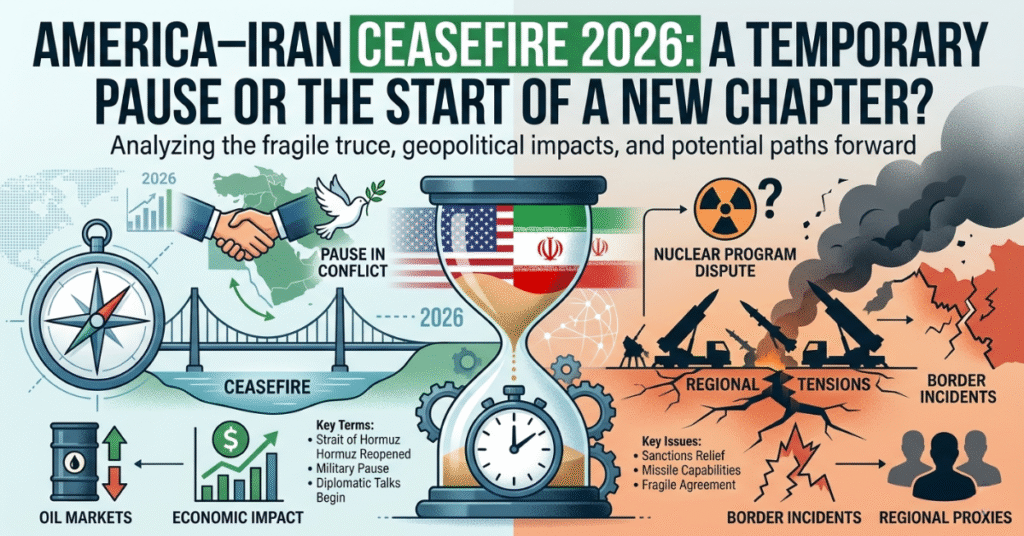
After weeks of rising tensions, missile exchanges, and global anxiety, the America–Iran Ceasefire 2026 has brought a moment of relief to the world, marking a temporary pause in one of the most dangerous geopolitical crises in recent history.
The announcement of a two-week truce between the United States and Iran has halted what was quickly turning into a major regional conflict. However, while the headlines appear positive, the situation on the ground remains far more complex and uncertain.
So the big question remains — is this ceasefire a genuine step toward long-term peace, or just a short break before tensions rise again?
How the Conflict Reached This Point
The ceasefire comes after nearly 40 days of intense military confrontation involving the United States, Iran, and Israel.
During this period:
- Airstrikes targeted Iranian military and nuclear-related facilities.
- Iran launched missile and drone attacks in response.
- Regional tensions spread to nearby countries.
- Global shipping routes, especially oil supply lines, were disrupted.
The situation became so serious that experts warned of a full-scale regional war, something that could have impacted not just the Middle East but the entire global economy.
Who Brokered the Ceasefire?
Interestingly, the breakthrough came through diplomatic efforts led by Pakistan.
Pakistan played a key role in bringing both sides to the negotiating table. The country’s leadership described the agreement as a “step toward peace and stability,” highlighting the importance of diplomacy even in the most tense situations.
This shows that even in high-stakes conflicts, neutral mediators can play a powerful role.
Key Terms of the Ceasefire
The ceasefire is temporary and conditional, lasting for an initial period of two weeks. Here are the most important terms:
✔ Military Pause
Both the United States and Iran have agreed to stop all direct attacks during this period.
✔ Strait of Hormuz Reopened
Iran has agreed to reopen the Strait of Hormuz, one of the world’s most critical oil routes.
This is a major step because:
- Nearly 20% of the global oil supply passes through this route.
- Its closure had caused oil prices to spike sharply.
✔ Start of Diplomatic Talks
Formal negotiations are expected to begin soon, with both sides discussing a possible long-term agreement.
✔ Conditional Compliance
The ceasefire will hold only if both sides respect the agreement. Any violation could lead to renewed conflict.
Iran’s Reaction: Celebrating a “Strategic Victory”
While the ceasefire has been welcomed globally, the reaction inside Iran has been particularly striking.
Across major cities, people gathered in public spaces waving flags and celebrating the announcement. Many in Iran view the ceasefire not as a compromise, but as a symbolic victory.
Why Iran Sees It as a Win:
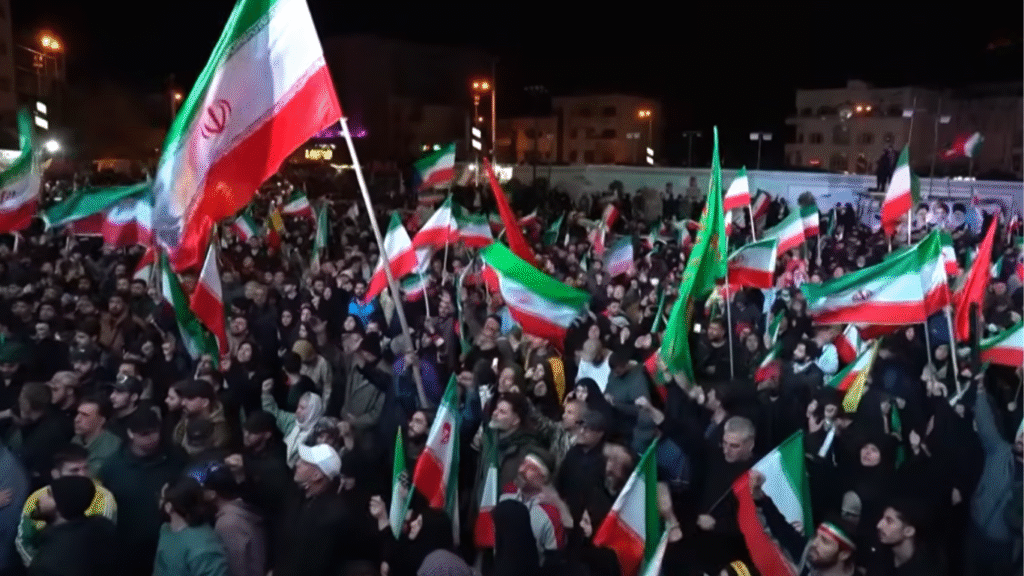
- Iran successfully resisted weeks of military pressure
- It maintained control over key strategic decisions, including the Strait of Hormuz
- It brought the United States to the negotiating table
- Its core demands, especially regarding its missile program, remain unchanged
From Iran’s perspective, the ceasefire shows that it withstood external pressure without giving in completely.
This public celebration also serves a political purpose — reinforcing national unity and projecting strength both domestically and internationally.
The Hidden Details: What’s Being Negotiated?
One of the most important developments is a proposed multi-point negotiation framework reportedly shared between the two sides.
While not fully public, key discussion points include:
- A commitment to avoid future military aggression
- Possible easing of economic sanctions on Iran
- Recognition of Iran’s nuclear activities under certain limits
- Release of frozen Iranian financial assets
- Reduction of tensions in the wider Middle East
However, there is a major challenge:
Both sides have different expectations from the agreement.
Also Read:- Major Escalation in the Middle East: US & Israel vs. Iran — A Turning Point in Global Politics – lostnews
Major Disagreements Still Exist
Despite the ceasefire, several key issues remain unresolved:
1. Nuclear Program Dispute
The United States wants strict limits on Iran’s nuclear activities.
Iran insists its nuclear program is peaceful and non-negotiable beyond certain limits.
2. Sanctions Relief
Iran is demanding the removal of long-standing economic sanctions.
The U.S. has not yet clearly committed to this.
3. Missile Program
Iran’s ballistic missile program is a major concern for the U.S.
But Iran has clearly stated it will not negotiate on this issue.
Global Impact of the Ceasefire
Even though the ceasefire is temporary, it has already affected the global economy.
Oil Prices Stabilising
With the reopening of the Strait of Hormuz, oil markets have shown signs of stability.
This is especially important for countries like India, which depend heavily on Middle Eastern oil imports.
Market Reactions
- Stock markets showed a slight recovery.
- Gold prices stabilised after initial spikes.
- Investors remain cautious due to uncertainty.
Why Experts Say the Ceasefire Is Fragile
Despite the positive headlines, analysts are warning that the ceasefire may not last long.
Early Violations Reported
Some regions reported attacks just hours after the agreement was announced. This raises questions about how effectively the ceasefire is being implemented.
Lack of Clarity
Many terms of the agreement are still unclear. Even officials seem to interpret the deal differently.
Political Messaging
Both sides are claiming victory, which often happens when agreements are not fully settled.
Israel’s Role Adds Complexity
The involvement of Israel adds another layer of uncertainty.
While Israel has agreed to pause attacks on Iran, it has made it clear that:
- The ceasefire may not apply to Lebanon.
- Military actions against groups like Hezbollah could continue.
This creates a risk that the conflict could restart indirectly, even if the main parties hold their positions.
Strategic Shift: Who Has the Upper Hand?
Interestingly, many experts believe the conflict has changed the balance of power.
- Iran feels it is negotiating from a stronger position after showing resilience.
- The United States may find it harder to apply pressure through military threats alone.
This shift could influence how future negotiations unfold.
What Happens Next?
The next big step is formal negotiations, expected to take place soon.
These talks will decide:
- Whether the ceasefire can be extended
- If a long-term peace agreement is possible
- How major disputes (nuclear, sanctions, military presence) are resolved
However, there are two possible outcomes:
Best Case Scenario
- Ceasefire holds
- Talks succeed
- A long-term agreement is reached.
Worst Case Scenario
- Ceasefire collapses
- Fighting resumes
- Conflict spreads across the region.
Why This Matters to the World
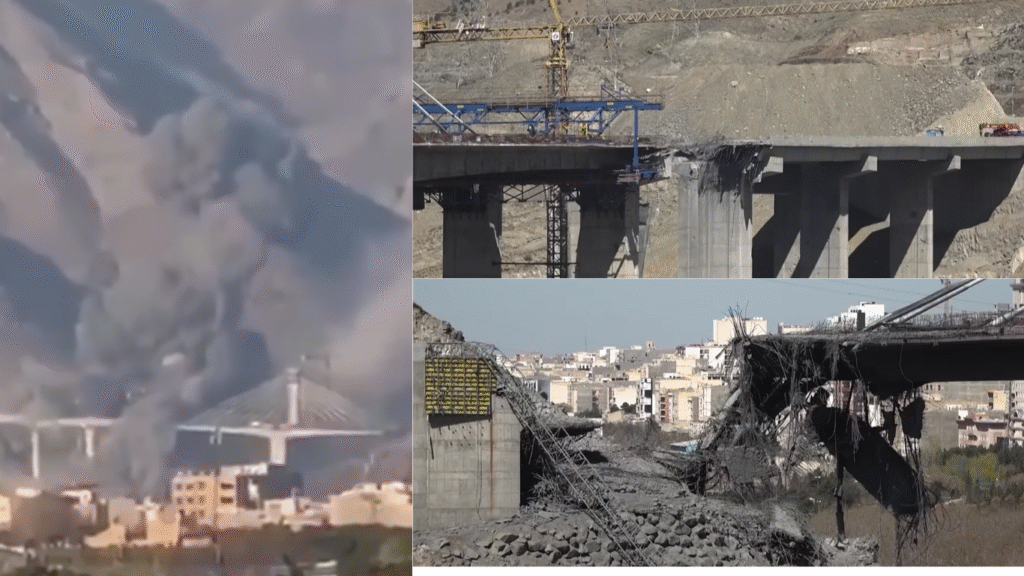
This is not just a regional issue — it has global consequences.
If the conflict resumes:
- Oil prices could rise sharply.
- Global inflation could increase.
- Trade routes could be disrupted.
- Markets could face instability.
For everyday people, this could mean higher fuel prices, increased cost of living, and economic uncertainty.
Also Read:- Israel vs Iran Military Power Comparison: Who Is Stronger in 2026? – lostnews
Final Thoughts
The America–Iran ceasefire offers a much-needed pause in a highly dangerous situation. It shows that even after intense conflict, diplomacy is still possible.
However, this is not a final solution.
The agreement is temporary, the differences are deep, and trust between both sides remains limited.
The coming days will be critical. If both nations use this time wisely, it could lead to a more stable future. If not, the world could once again face rising tensions and uncertainty.
For now, the ceasefire stands as a fragile bridge between conflict and peace — and the world is watching closely to see which direction it leads.





1 thought on “America–Iran Ceasefire 2026: A Temporary Pause or the Start of a New Chapter?”